
Sauces & Condiments
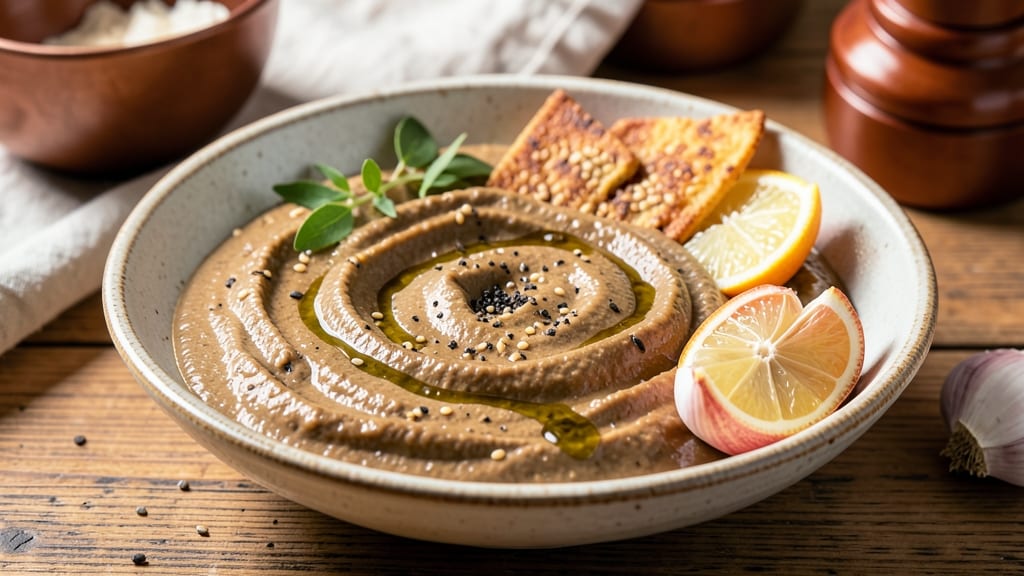
This broad bean hummus recipe transforms humble fava beans into a velvety, nutty dip with restaurant-quality depth. The key lies in blending cooked broad beans with tahini and lemon for a rich, earthy flavor that stands out from classic chickpea hummus.
Unlike other versions, this one delivers a smooth yet textured finish—thanks to a touch of garlic and olive oil—that makes every bite satisfying.
The process is straightforward but yields extraordinary results: start by cooking the broad beans until tender, then blend them with tahini, lemon juice, and garlic until silky. The tahini adds creaminess, while the lemon brightens the earthy bean flavor.
For extra crunch, toast sesame or pumpkin seeds before blending or sprinkle them on top—this contrast is what elevates hummus from ordinary to extraordinary.
What sets this recipe apart is its versatility. Use it as a dip for fresh vegetables, spread it on toasted bread, or serve it alongside grilled meats. The nutty, slightly sweet flavor profile pairs beautifully with both savory and mild dishes, making it a standout addition to any meal.
The texture is smooth yet substantial, ensuring it holds its shape when spread or scooped.
For an added touch of sophistication, finish with a drizzle of high-quality olive oil and a sprinkle of smoked paprika or za’atar. These simple garnishes not only enhance the visual appeal but also deepen the flavor profile, creating a hummus that’s as impressive as it is delicious.
Ready in under 30 minutes, this recipe proves that homemade can truly outshine store-bought.
Ingredients for broad bean hummus
Nine ingredients transform simple fava beans into restaurant-quality hummus with nutty depth.
| Ingredient | Amount | Notes |
|---|---|---|
| Dried Broad Beans (Fava Beans) 🌱 | 1 cup | Soaked overnight, cooked until tender |
| Tahini 🥜 | ½ cup | Sesame paste for creaminess |
| Fresh Lemon Juice 🍋 | ¼ cup | Brightens flavor profile |
| Extra-Virgin Olive Oil 🫒 | ½ cup | High quality, fruity variety |
| Garlic Cloves 🧄 | 3 cloves | Peeled, for aromatic depth |
| Sesame Seeds 🌰 | ¼ cup | Toasted for nutty crunch |
| Smoked Paprika 🌶️ | 1 tsp | For subtle smokiness |
| Salt 🧂 | ½ tsp | Fine sea salt preferred |
| Ground Cumin 🌿 | ½ tsp | Earthy depth enhancer |
| Water 💧 | ¼ cup | Adjust for blending consistency |
The broad beans are the foundation—opt for dried over canned for superior texture. Trader Joe's carries excellent dried fava beans, or check the bulk section at Whole Foods. Soak overnight in plenty of water (about 12 hours), then cook until fork-tender. The tahini should be freshly ground for maximum creaminess—Kirkland Signature brand is a reliable choice. For the lemon, use freshly squeezed juice; bottled lacks the bright acidity needed to balance the richness. The olive oil matters here too—California Extra Virgin brands like Corto or Bertolli add fruity notes that elevate the dish.
No tahini? Cashew butter works in a pinch, though the flavor will differ slightly. Substitute sesame seeds with toasted pumpkin seeds for a different texture. For a smokier profile, swap smoked paprika for za'atar seasoning (use half the amount). The garlic can be roasted for a sweeter flavor—simply wrap the cloves in foil with a drizzle of olive oil and roast at 400°F for 10 minutes. If the hummus proves too thick after blending, add water one tablespoon at a time until reaching desired consistency. For extra protein, blend in 1/4 cup cooked chickpeas.
Store the hummus in an airtight container with a thin layer of olive oil on top to preserve freshness. Keeps well in the refrigerator for 5-6 days, though the texture may firm up slightly. For best results, let it sit at room temperature for 10 minutes before serving. This hummus freezes beautifully—portion into ice cube trays, freeze, then transfer to a bag. Thaw overnight in the fridge. The toasted seeds lose crunch when frozen, so always sprinkle fresh ones on top before serving. Garnish with a drizzle of olive oil and extra smoked paprika for restaurant-quality presentation.
Why You'll Love This Recipe
- I’ll be real: most dried beans require hours of soaking, but broad beans? Just a quick overnight soak (or even a pressure cooker if you’re in a rush) and you’re good to go. No extra steps, no waiting around—just blend and serve.
- Skip the Soaking: I’ll be real: most dried beans require hours of soaking, but broad beans? Just a quick overnight soak (or even a pressure cooker if you’re in a rush) and you’re good to go. No extra steps, no waiting around—just blend and serve.
- Nutty Creamy Magic: That tahini and olive oil combo? It’s what makes this hummus ridiculously good. The broad beans add a hearty texture, while the lemon brightens everything up—like a cozy hug in your mouth. (Yes, even on a Tuesday night.)
- Party in a Bowl: This hummus is my go-to for game days, potlucks, or when friends drop by unannounced. It pairs with pita, veggies, or even grilled meats, and the flavor holds up for hours—no sad, watery dip here.
Step-by-step instructions for broad bean hummus
Transform simple ingredients into rich, nutty hummus with perfect texture and depth.
Prepare the Broad Beans
Begin by soaking the 1 cup dried broad beans (fava beans) in plenty of cold water for at least 12 hours or overnight. This ensures they soften completely for blending. After soaking, drain and rinse them thoroughly, then transfer to a pot and cover with fresh water by about 2 inches. Bring to a boil over medium-high heat, then reduce to a simmer for 1 to 1.5 hours until fork-tender.
Drain the cooked beans and let them cool slightly. I like to peel them at this stage—simply rub between your fingers under running water to remove the skins. This step might seem tedious, but it makes a noticeable difference in the final texture. You should end up with about 1.5 cups of peeled beans, which will form the creamy base of your hummus.
Toast the Spices and Seeds
While the beans cook, heat a dry skillet over medium heat. Add the 0.25 cup sesame seeds and toast them for 2 to 3 minutes, stirring constantly, until they turn a rich golden brown and release a nutty aroma. Immediately transfer them to a small bowl to cool—this prevents them from burning and keeps their crisp texture.
In the same skillet, add the 3 cloves garlic (peeled) and toast for 30 seconds until fragrant, being careful not to let them brown. Remove from heat and let cool for 1 minute. Add the 1 tsp smoked paprika and 0.5 tsp ground cumin to the skillet and stir for 10 seconds to toast them lightly, enhancing their flavors. Let everything cool completely before using.
Blend the Hummus Base
In a food processor, combine the cooled broad beans, 0.5 cup tahini, 0.25 cup fresh lemon juice, 0.5 cup extra-virgin olive oil, and 0.5 tsp salt. Process on medium speed for 1 minute, scraping down the sides as needed. The tahini will initially resist blending—this is normal. Gradually add 0.25 cup water in small increments, blending after each addition, until you achieve a smooth, creamy texture.
Add the toasted garlic, smoked paprika, and cumin to the processor and blend for another 30 seconds until fully incorporated. Taste and adjust seasoning—you may need a bit more salt or lemon juice to balance the flavors. The hummus should be thick but still pourable. If it's too thick, add 1 teaspoon water at a time until it reaches your desired consistency.
Finish and Garnish
Transfer the hummus to a serving bowl and smooth the top with a spatula. Drizzle with an additional 1 tablespoon extra-virgin olive oil and sprinkle the toasted sesame seeds evenly over the top. The seeds should be distributed in a thin, even layer to ensure every bite delivers that satisfying crunch.
Let the hummus rest for 10 minutes before serving. This allows the flavors to meld and the texture to set slightly, making it easier to scoop. Serve with warm pita bread, fresh vegetables, or as a dip for your favorite crudités. The nutty earthiness of the broad beans pairs beautifully with the smoky depth of the paprika and the bright tang of lemon.
Pro Tips For Making Broad Bean Hummus
- SOAK BEANS OVERNIGHT: Dried broad beans need serious soaking—at least 12 hours, ideally overnight. I used to rush this with a quick 4-hour soak, but the skins stayed tough and the texture suffered. Cold water only, and don’t skip the rinse afterward.
- PEEL BEANS WHEN COLD: After cooking, let the broad beans cool completely before peeling. Warm beans slip out of their skins like greased lightning, but cold ones release cleanly—no mushy bits or wasted effort. Use a paper towel to dry them first for easier handling.
- ROAST GARLIC FIRST: Toss minced garlic in olive oil with a pinch of salt and roast at 400°F (200°C) for 10 minutes before blending. The sweet, mellow flavor beats raw garlic’s bite, and it blends smoother—no clumps or sharp aftertaste. (Yes, even if you’re impatient like me.)
- WHISK TAHINI THIN: Tahini thickens like glue when cold. Warm it gently (microwave 10 seconds or set the jar in hot water) and whisk with a splash of lemon juice before adding to the blender. This guarantees a silky texture, not a lumpy mess. —I know, I know, but trust the process.
Pro cooking tips for this recipe
Bean Texture Secrets
Peeling the broad beans after cooking makes all the difference—it transforms your hummus from grainy to silky. I use my fingers under running water to gently rub off the skins, which takes about 5 minutes for 1 cup of cooked beans.
For extra speed, freeze the cooked beans for 10 minutes first—the cold makes the skins easier to remove. Never skip this step if you want that restaurant-quality smoothness. 💡
Tahini Tricks
Freshly ground tahini is non-negotiable for creamy hummus. If you're using store-bought, look for brands like Kirkland Signature that specify "freshly ground" on the label. For extra richness, warm the tahini slightly before blending—just 30 seconds in a microwave—this helps it emulsify better with the olive oil.
If your tahini separates, blend in 1 teaspoon water at a time until smooth. 🥜
Garlic Balance
Roasted garlic adds sweetness that complements the earthy broad beans perfectly. Wrap 3 peeled garlic cloves in foil with 1 teaspoon olive oil, roast at 400°F for 10 minutes, then cool completely before blending.
For a more intense flavor, use 1 extra clove of raw garlic but reduce the roasted amount to 2 cloves. The key is balance—too much raw garlic can overpower the delicate bean flavor. 🧄
Crunch Control
Toast your sesame seeds in a dry skillet over medium heat for exactly 2-3 minutes—any longer and they'll burn, losing their crispness. Immediately transfer to a bowl to cool, then sprinkle over the hummus just before serving.
For extra crunch, add 1 tablespoon toasted pumpkin seeds mixed in. Pro tip: Store seeds in an airtight container for up to 1 week to maintain freshness. 🌰
Emulsification Hacks
The tahini-oil blend can separate if you rush it. Start with 0.5 cup olive oil and blend on low speed while slowly drizzling in the oil. If it still breaks, add 1 teaspoon lemon juice at a time—this acts as a natural emulsifier.
For extra insurance, pulse the mixture briefly after adding all ingredients to break up any oil pockets. Patience here prevents that dreaded "oily hummus" texture. ✨
Flavor Boosting
Finish your hummus with a drizzle of extra-virgin olive oil and a pinch of smoked paprika—this isn't just for looks. The oil adds richness while the paprika introduces subtle smokiness that enhances the broad bean's natural earthiness.
For a Middle Eastern twist, sprinkle 1/4 teaspoon za'atar on top. Let the hummus rest for 10 minutes before serving—this allows all the flavors to meld together beautifully. 🌶️
Nutrition facts
Frequently asked questions
Why does broad bean hummus taste different from chickpea hummus?
Broad beans (fava beans) have a naturally nutty, earthy flavor that's more complex than chickpeas. The absence of chickpeas' mild sweetness gives this version a deeper, almost buttery richness. The tahini and lemon enhance these unique notes, creating a smoother, creamier texture that's less grainy than traditional hummus.
Can I make this hummus without tahini?
Yes, but the texture will be less creamy. Substitute with ½ cup cashew butter or ¼ cup extra olive oil plus 1 tablespoon nutritional yeast for a similar richness. For a different flavor profile, use ½ cup white bean purée instead—just adjust the lemon juice to 3 tablespoons to balance the flavors.
How do I fix hummus that's too thick or too thin?
For thick hummus, add 1 teaspoon water at a time while blending until smooth. If it's too thin, blend in 1 tablespoon tahini or 1 tablespoon extra olive oil to restore creaminess. The key is gradual adjustments—adding too much liquid at once can break the emulsion. For best results, let the hummus rest for 10 minutes before adjusting.
Is broad bean hummus gluten-free?
Yes, this recipe is naturally gluten-free as long as you use certified gluten-free tahini and avoid cross-contamination. Double-check your tahini label, as some brands process in facilities that handle gluten. The smoked paprika and spices used here are typically gluten-free, but always verify if you have celiac disease or severe gluten sensitivity.
How long can I store leftover broad bean hummus?
Store in an airtight container with a thin layer of olive oil on top to preserve freshness. It keeps well in the refrigerator for 5-6 days. For longer storage, freeze in ice cube trays, then transfer to a bag. Thaw overnight in the fridge—just add a splash of water if it thickens. The toasted seeds lose crunch when frozen, so always sprinkle fresh ones before serving.