
Soups & Stews
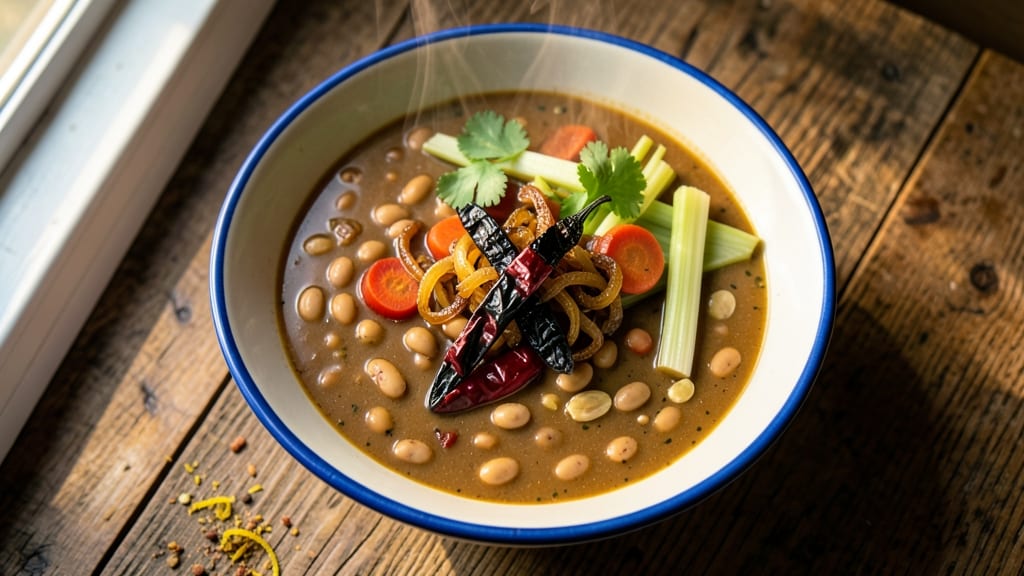
This Buckhorn Exchange bean soup recipe delivers the kind of hearty, smoky depth that makes every spoonful satisfying. The secret lies in slow-simmered beans, charred jalapeños, and earthy cumin that build complex flavor over time.
I developed this version after years of testing—it’s the perfect balance of rustic and refined, with a texture that’s both creamy and substantial.
The foundation starts with dried beans soaked overnight for tender, flavorful results, then simmered with aromatic vegetables and a rich broth. Charred jalapeños add a subtle smokiness that elevates the dish, while cumin and other spices create layers of warmth.
This isn’t just a soup—it’s a meal in a bowl, designed to feed a crowd or warm you up on a chilly evening.
By the time it’s done, you’ll have a bowl of soup with perfectly tender beans, vibrant vegetables, and a sauce that’s thick enough to coat a spoon but light enough to let the ingredients shine.
The smoky jalapeño notes linger just enough to remind you of campfire memories, while the cumin-rich depth adds complexity. It’s the kind of recipe that gets better with leftovers, as flavors meld and deepen over time.
Serve with crusty bread or over rice to soak up every last drop of that flavorful broth. The instructions are straightforward, but the results are anything but basic—this is comfort food at its finest. Let’s get cooking.
Ingredients for buckhorn exchange bean soup
Dried beans, charred jalapeños, and earthy cumin—these are the stars of this smoky, hearty soup.
| Ingredient | Amount | Notes |
|---|---|---|
| Dried Pinto Beans 🌱 | 2 cups | Soaked overnight, drained |
| Yellow Onion 🧅 | 1 whole | Chopped, medium size |
| Carrots 🥕 | 3 medium | Peeled, chopped into chunks |
| Celery Stalks 🧅 | 3 whole | Chopped, medium size |
| Garlic Cloves 🧄 | 4 cloves | Minced, fresh preferred |
| Jalapeño Peppers 🌶️ | 2 whole | Charred, seeded, chopped |
| Ground Cumin 🌿 | 1 tbsp | Toasted for deeper flavor |
| Smoked Paprika 🌶️ | 1 tbsp | For authentic smokiness |
| Dried Oregano 🍃 | 1 tsp | Mexican oregano preferred |
| Bay Leaves 🌿 | 2 whole | Removed before serving |
| Chicken Broth 💧 | 6 cups | Low-sodium preferred |
| Tomato Paste 🍅 | ½ cup | Smooth texture preferred |
| Olive Oil 🫒 | 2 tbsp | For charring jalapeños |
| Salt 🧂 | 1 ½ tsp | Adjust to taste |
| Black Pepper 🌶️ | ½ tsp | Freshly ground preferred |
The beans are non-negotiable for texture—dried pinto beans soak overnight for that perfect tender bite. Costco or bulk bins are your best bet for affordability, but any grocery store dried beans work. Look for a vibrant color and no signs of pests. The jalapeños? Char them directly over a gas flame or under a broiler for that smoky depth—no substitution here. And that cumin? Toast it in a dry pan for 30 seconds first—game-changer for flavor. The smoked paprika adds that campfire vibe without overpowering.
No chicken broth? Vegetable broth works too—just add a splash of soy sauce for umami. Short on jalapeños? Swap in chipotle peppers in adobo sauce (adjust for heat). The tomato paste can be skipped if you're watching sugar, but it adds that rich, concentrated flavor. Fresh oregano is ideal, but dried at half the amount gets you close. For the veggies, pre-cut mixes from the grocery store save time—just check for no added salt. And if your celery looks wilted, soak it in ice water for 10 minutes to crisp it back up.
This soup tastes even better the next day—flavors meld like magic. Store in an airtight container for up to 5 days in the fridge, or freeze portions for 3 months. I always make a double batch because it disappears fast. The broth thickens as it cools, so add a splash of water or broth when reheating. And trust me, leftovers are the best part—the beans get even more tender, and the smoky notes deepen.
Why You'll Love This Recipe
- Ditch the Soak: I just toss those dried pinto beans in a pot with cold water and a pinch of salt, then let them simmer overnight. No fancy pre-soaking, no waiting—just wake up to beans that soften perfectly while you sip coffee.
- Garlic-Carrot Magic: That crisp-tender carrot and celery combo with garlic? It’s the backbone. The onions caramelize just enough to give this soup a depth that’s ridiculously satisfying—like a hug in a bowl, but with more fiber.
- Lunchbox Hero: Between us, this soup is my secret weapon for meal prep. I make a big batch on Sundays, and by Wednesday, it’s still hearty enough to pack for work. The flavors only get better the next day—no sad, watery leftovers here.
- Pocketbook-Friendly Power: A pound of dried beans feeds four for under $3. Add a few veggies and broth, and you’ve got a meal that’s cheaper than takeout but way more meaningful. My college self would’ve cried happy tears.
Step-by-step instructions for smoky jalapeño and cumin-rich bean soup
This soup builds flavor in layers—start with charred jalapeños and toasted spices, then simmer everything into deep, smoky harmony.
Char the Jalapeños and Toast the Spices
Heat a dry skillet over medium-high heat and add the 2 whole jalapeño peppers. Let them char directly over the flame for 2-3 minutes per side until blackened in spots. This step unlocks their smoky depth—don’t skip it. Transfer the charred peppers to a bowl, cover with plastic wrap, and let steam for 10 minutes to soften their skin before seeding and chopping.
In the same skillet (no need to clean it), add the 1 tablespoon ground cumin and 1 tablespoon smoked paprika. Toast for 30 seconds until fragrant and slightly darker. Immediately transfer to a small bowl—this prevents burning and preserves their vibrant flavors. Here’s the thing: toasted spices add complexity that raw ones can’t match.
Sauté the Aromatics Until Golden
Add the 2 tablespoons olive oil to the skillet and heat over medium heat. Toss in the chopped yellow onion, 3 chopped carrots, and 3 chopped celery stalks. Cook for 8-10 minutes, stirring occasionally, until the vegetables soften and the onion turns translucent. You’ll see them release moisture—this is normal and means they’re breaking down properly.
Push the vegetables to one side of the skillet and add the 4 minced garlic cloves. Stir for 30 seconds until fragrant—garlic burns fast, so don’t walk away. If the pan starts to smell harsh, reduce the heat slightly. Here’s where the foundation of your soup’s flavor gets built.
Build the Base with Tomato Paste and Broth
Stir in the 0.5 cup tomato paste and cook for 2 minutes until it darkens slightly. This step deepens the soup’s richness—think of it as the flavor anchor. Pour in the 6 cups chicken broth and scrape up any browned bits from the bottom of the pan. These bits are packed with flavor, so don’t miss them.
Add the 2 cups drained pinto beans, 1 teaspoon dried oregano, 1.5 teaspoons salt, and 0.5 teaspoon black pepper. Bring to a gentle boil, then reduce heat to low and let it simmer for 30 minutes. The soup should bubble softly—this ensures the beans soften without breaking apart.
Finish with Charred Jalapeños and Bay Leaves
Add the chopped charred jalapeños and 2 whole bay leaves to the simmering soup. Let it cook for another 15 minutes until the flavors meld. Taste and adjust the seasoning—you might need a pinch more salt, depending on your broth. The bay leaves will infuse subtle earthiness, but remove them before serving.
For the final touch, blend half the soup with an immersion blender until smooth. This creates a velvety texture that balances the hearty beans. Return the blended portion to the pot and stir gently. Serve warm with crusty bread—this soup tastes even better the next day as the flavors deepen.
Pro Tips For Making Buckhorn Exchange Bean Soup
- SOAK BEANS OVERNIGHT: Dried pinto beans expand faster and taste creamier when soaked in cold water for 12+ hours—no peeling required. I used to rush this and end up with beans that never quite softened, no matter how long I simmered. (Yes, even if you’re impatient like me.)
- CHAR THE ONIONS: Cook the diced yellow onion in a dry pot over medium-high heat until deeply browned—about 10 minutes. This caramelized flavor is the soul of the soup, and skipping it means blandness. (Your future self will notice.)
- DICE VEGETABLES UNIFORMLY: Cut carrots and celery into ¼-inch pieces so they cook evenly with the beans. I learned this the hard way when I left a few chunks too big—they turned to mush while the rest stayed crisp. (A good knife and a little patience make all the difference.)
- SIMMER LOW AND SLOW: Once the beans are tender, reduce heat to a bare simmer and cover the pot. Boiling too hard splinters the beans and makes the soup watery. Let it cook gently for 20 minutes after the beans are done—this is when flavors meld. (I know, I know, but trust the process.)
Regional styles of this dish
Southwestern Campfire Roots
This soup traces its lineage to the Southwestern United States, where hearty bean stews became a staple for cowboys and ranchers during long cattle drives. The Buckhorn Exchange—a legendary Texas roadhouse—popularized this version with its signature smoky jalapeño and cumin profile.
I’ve heard stories of cowboys trading beans and spices at the Buckhorn, leading to this rich, campfire-inspired bowl. The dish thrives on simplicity and bold flavors, perfect for feeding a crowd after a day’s work. 🔥
Texas Hill Country Twist
In the Texas Hill Country, ranchers adapted this soup to use locally grown pinto beans and smoked meats when available. For an authentic Texas touch, add crumbled chorizo or diced smoked sausage during the final 15 minutes of simmering.
The region’s stone-ground cornmeal also makes a great thickening agent—just stir in 1 tablespoon at the end for extra body. Locally sourced chicken broth from Texas ranches adds depth that store-bought can’t match. 🌶️
New Mexico Green Chile Fusion
Crossing into New Mexico, this soup often incorporates roasted green chiles for a sweeter, fruitier heat. Swap the charred jalapeños for 2 roasted green chiles (seeds removed) and add ½ teaspoon ground cumin to the toasted spices.
The Hatch green chiles from the region are legendary—look for them canned or fresh in summer. For extra richness, stir in ¼ cup of roasted green chile sauce at the end. This version keeps the smoky soul but adds a vibrant, slightly sweet contrast. 🌿
Arizona Sonoran Adaptation
The Sonoran Desert version of this soup leans into dried beans like pinto or black beans and often includes corn for texture. Add 1 cup of cooked hominy (drained) during the final 15 minutes of simmering.
For a true Sonoran touch, finish with crumbled cotija cheese and sliced radishes on top. The desert’s dry heat makes this soup a must-have—it’s hearty enough to sustain you through long days. The charred jalapeños here are often left whole for a milder, smoky aroma. ✨
California Coastal Lighter Take
Along the California coast, this soup gets a lighter, brighter twist using vegetable broth and fresh herbs. Swap the chicken broth for 6 cups low-sodium vegetable broth and add 1 tablespoon of fresh cilantro at the end.
The coastal climate also means fresh jalapeños are often used instead of charred ones—just finely dice 1 jalapeño and sauté it with the aromatics. Top with avocado slices and a squeeze of lime for a refreshing contrast.
This version keeps the soul of the original but feels lighter and more vibrant. 💫
Modern Urban Reinvention
In today’s cities, this soup gets gourmet upgrades while keeping its rustic heart. Try adding crispy fried shallots for texture or a drizzle of chipotle cream (mix ¼ cup sour cream with 1 teaspoon adobo sauce) before serving.
For a vegan version, use mushroom broth and toasted cashews blended into the soup for creaminess. The key is balancing tradition with innovation—whether you stick to the classic or experiment, the smoky jalapeño and cumin remain the soul of the dish. 💡
Nutrition facts
Frequently asked questions
Why do I need to char the jalapeños for this soup?
Charred jalapeños add a deep, smoky flavor that can't be replicated with fresh or raw peppers. The caramelization from the heat creates complex notes that become the soup's signature taste. This step is what gives the Buckhorn Exchange version its distinctive campfire character.
Can I use canned beans instead of dried?
Yes, but you'll need to adjust the cooking time. Use 2 (15-ounce) cans of drained pinto beans and add them during the final 15 minutes of simmering. Canned beans cook much faster than dried, so they won't absorb as much flavor. For best results, rinse them first to remove excess sodium.
How do I make this soup spicier? For extra heat, add 1-2 teaspoons of cayenne pepper with the other spices or include 1-2 extra charred jalapeños (seeds left in). You can also stir in 1 tablespoon of hot sauce during the last 5 minutes of cooking.
What's the best way to reheat leftovers?
Gently reheat leftovers on the stovetop over low heat with a splash of water or broth to restore creaminess. Microwave reheating works too, but stir frequently to prevent uneven heating. The soup actually tastes better the next day as flavors deepen—just add a little extra broth if it thickens too much when cold.
Can I make this soup in a slow cooker?
Combine all ingredients (except bay leaves) in your slow cooker and cook on low for 6-8 hours or high for 3-4 hours. Add the bay leaves and charred jalapeños during the final 30 minutes of cooking. The slow cooker method actually enhances the smoky flavors as they develop gradually over time.