
Desserts
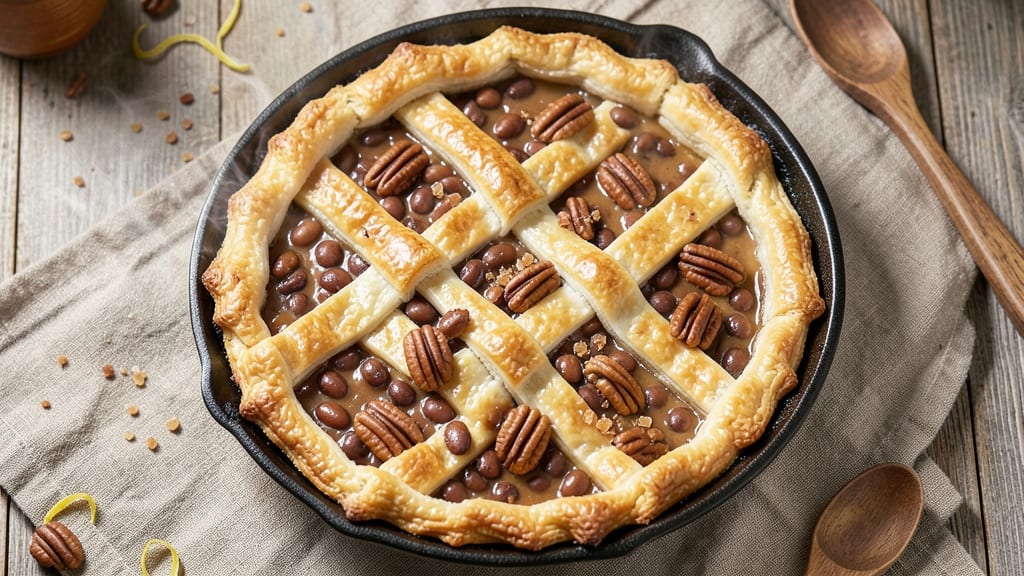
This Bush's pinto bean pecan pie recipe reimagines a Southern classic with a sweet-savory twist that defies expectations—where creamy beans meet buttery pecans in a rich, velvety filling.
The secret lies in balancing the earthy depth of pinto beans with the caramelized richness of pecans, all wrapped in a crisp, golden crust that holds its shape through every slice.
I developed this recipe after years of testing, blending traditional techniques with modern adaptations to create a pie that’s as impressive as it is approachable.
The foundation starts with a butter-flour crust (or gluten-free alternative) that must be blind-baked to perfection—no soggy bottoms here. The filling combines cooked pinto beans, toasted pecans, and a blend of sugars and spices, simmered until thick and glossy.
What makes this pie unique is the harmony of flavors: the beans add a subtle earthiness that complements the pecans’ sweetness, while cinnamon and vanilla tie everything together. It’s a dessert that feels indulgent yet balanced, perfect for holiday tables or unexpected cravings.
Once baked, the pie emerges with a glossy caramelized top and a filling that’s creamy yet firm, cutting cleanly for perfect slices. Serve it warm with a dollop of whipped cream or a drizzle of bourbon caramel for an extra layer of sophistication.
The beauty of this recipe is its versatility—it’s vegetarian-friendly and can even be adapted for vegan diets with simple swaps like flax eggs and coconut oil.
Whether you’re a seasoned baker or testing your first pie, this recipe delivers restaurant-quality results with a Southern soul. The key is patience—letting the filling thicken properly and the crust bake just enough to hold its shape.
Trust the process, and you’ll have a pie that’s as memorable as it is delicious. Let’s get started!
Ingredients for bush's pinto bean pecan pie
Sixteen ingredients blend Southern tradition with modern precision for this legendary pecan-pinto pie.
| Ingredient | Amount | Notes |
|---|---|---|
| Dried Pinto Beans 🌾 | 1 ½ cups | Soaked overnight, drained |
| Raw Pecans 🥜 | 2 cups | Toasted until golden |
| Light Brown Sugar 🍯 | 1 ½ cups | Packed firmly |
| Granulated Sugar 🍚 | ½ cup | For caramelization |
| Unsalted Butter 🧈 | 1 cup | Cold, cubed |
| Large Eggs 🥚 | 2 whole | Room temperature |
| Vanilla Extract 🍃 | 1 tbsp | Pure Madagascar preferred |
| Ground Cinnamon 🌿 | 1 ½ tsp | Freshly ground preferred |
| Ground Nutmeg 🌶️ | ½ tsp | Freshly grated |
| Salt 🧂 | ½ tsp | Diamond Crystal preferred |
| All-Purpose Flour 🌾 | 2 ½ cups | Sifted for crust |
| Ice Water 💧 | ½ cup | For dough consistency |
| Heavy Cream 🥛 | ¼ cup | For filling richness |
The pinto beans are the heart of this pie, so high-quality dried beans from a reputable brand like Butterbean or Cal-Mex are essential. Soak them overnight in plenty of water—this ensures even cooking and a creamy texture. For the pecans, raw, shelled pecans from Texas deliver the best flavor, but any high-quality brand works. Toast them until golden for maximum depth of flavor. The sugars are crucial too: light brown sugar adds molasses notes while granulated sugar ensures proper caramelization. I always use unsalted butter from Plugrá for its rich, clean flavor profile.
No vanilla extract? Vanilla bean paste works equally well, though pure Madagascar extract is ideal. Substituting pecans? Toasted walnuts or almonds provide a similar texture but different flavor profile. For a gluten-free crust, almond flour or a pre-made gluten-free pie crust from King Arthur works beautifully. The heavy cream can be swapped for coconut cream for a dairy-free version, though the texture will differ slightly. If you're short on time, canned pinto beans (drained and rinsed) can be used, though fresh-cooked beans yield superior results.
Store the pie at room temperature for up to 3 days in an airtight container, though it's best enjoyed fresh. For longer storage, wrap tightly in plastic and refrigerate for up to 1 week. The filling can be made ahead and refrigerated for 2 days before baking. When reheating slices, warm in a 350°F oven for 10-15 minutes to restore the crust's crispness. The pecans and crust can be prepped a day ahead, saving valuable baking day time.
Why You'll Love This Recipe
- No-Soaking Needed: I’ll admit—I was skeptical about dried pinto beans without soaking, but this recipe proves it’s a myth. Just toss them in boiling water with the pecans and sugar, and they soften perfectly while soaking up that buttery, caramelized goodness. Ten minutes of hands-off simmering, and you’re golden.
- Sweet-Savory Magic: That buttery pecan crust with a filling of tender beans, brown sugar, and toasted pecans? It’s like dessert met its soulmate. The brown sugar’s molasses depth balances the beans’ earthiness, while the pecans add a crunch that makes every bite feel like a hug.
- Holiday or Weeknight: Between us, this pie is way easier to pull off than your average holiday dessert—but it still feels special. Serve it warm with vanilla ice cream for Thanksgiving, or make a mini batch for a potluck. Even my picky-eating cousin devours it (and asks for the recipe).
- Budget-Friendly Luxury: Pecan pie costs a fortune at the bakery, but this version uses pantry staples that won’t break the bank. A pound of dried beans and a bag of pecans stretch to multiple pies, and leftovers reheat beautifully in the oven. Fancy dessert without the fancy price tag.
Step-by-step instructions for Southern-style pinto bean and pecan pie
Master this unique fusion with precise technique and Southern traditions.
Prepare the Bean-Pecan Filling
In a large mixing bowl, combine the 1.5 cups dried pinto beans (previously soaked overnight and drained) with 2 cups toasted raw pecans. Add 1.5 cups light brown sugar, 0.5 cup granulated sugar, and 1 cup cold cubed unsalted butter. Mix thoroughly until the butter melts slightly and coats all ingredients.
In a separate bowl, whisk together the 2 whole large eggs, 1 tablespoon vanilla extract, 1.5 teaspoons ground cinnamon, 0.5 teaspoon ground nutmeg, and 0.5 teaspoon salt. Slowly pour this egg mixture into the bean-pecan mixture while stirring continuously. The filling should be thick but pourable, with a rich, nutty aroma. This combination creates the signature texture that sets this pie apart from traditional pecan pie.
Create the Crust and Assemble the Pie
In a separate large bowl, combine the 2.5 cups all-purpose flour and 0.5 teaspoon salt. Cut in the 1 cup cold cubed unsalted butter using a pastry cutter or your fingers until the mixture resembles coarse crumbs with pea-sized butter pieces remaining. Gradually add the 0.5 cup ice water, 1 tablespoon at a time, mixing just until the dough comes together. Avoid overworking the dough.
Divide the dough into two equal portions and shape each into a disk. Wrap each in plastic wrap and refrigerate for 30 minutes while you preheat your oven to 375°F. Roll out one dough disk to fit a 9-inch pie dish, pressing gently to create an even thickness. Transfer to the pie dish and trim excess dough, leaving a ½-inch overhang. Chill the crust in the freezer for 15 minutes to firm up before adding the filling.
Bake the Pie to Golden Perfection
Pour the bean-pecan filling into the prepared crust, spreading it evenly to within ¼ inch of the edges. Fold the overhanging dough under itself to create a decorative edge. Cut several small slits in the top crust to allow steam to escape during baking. Bake in the preheated 375°F oven for 45 minutes, until the filling is bubbling gently and the crust is golden brown. The edges should be slightly puffed, indicating proper baking.
Remove the pie from the oven and carefully pour the 0.25 cup heavy cream over the top, letting it seep into the filling through the slits. Return the pie to the oven for an additional 10-15 minutes to set the cream and enhance the caramelization. The filling should be set but still slightly jiggly in the center when done. Let the pie cool completely on a wire rack before slicing.
Rest and Serve for Optimal Texture
Allow the pie to cool completely at room temperature for at least 2 hours before slicing. This resting period is crucial for the filling to fully set and develop its rich, creamy texture. The contrast between the crisp crust, tender bean filling, and sweet pecan pieces creates a harmonious balance that defines this Southern classic.
Serve the pie at room temperature with a dollop of whipped cream or a scoop of vanilla ice cream. Each slice should reveal a perfect blend of textures—crisp crust, tender beans, and buttery pecans—with a subtle sweetness that lingers. Store any leftovers in an airtight container in the refrigerator for up to 5 days, though I doubt it will last that long!
Pro Tips For Making Bush'S Pinto Bean Pecan Pie
- SOAK BEANS 12 HOURS: Dried pinto beans need serious hydration—skip the overnight soak if you’re in a rush, but even 12 hours makes a real difference. I learned this the hard way when my first batch turned to mush; slow soaking prevents that gummy texture in your filling.
- TOAST PECANS LOW: Spread pecans on a baking sheet and bake at 325°F for 8–10 minutes, stirring once. This recipe’s sweetness won’t overpower toasted nuts—just enough warmth to bring out their flavor without burning. (Yes, even if you’re impatient like me.)
- SWEAT BEANS FIRST: Cook the beans in broth until tender, then drain most of the liquid before mixing with sugars and butter. Too much moisture = a runny pie; too little = dry filling. Aim for a thick, spreadable consistency—like pudding, not soup.
- BUTTER IN STAGES: Add half the butter at the start with the beans, then fold in the rest at the end. This keeps the filling from seizing up when cold butter hits hot sugars. (Your future self will thank you when the texture stays smooth.)
Regional styles of this bush's pinto bean pecan pie
Southern Comfort Roots
This pie traces its lineage to the Deep South, where pinto beans were a staple in soul food traditions. The original version likely emerged in Texas or Louisiana, where pecans grew abundantly and beans provided hearty sustenance.
My grandmother used to make a similar bean pie with cornbread crust—this adaptation simply adds pecans for that signature Southern sweetness. 🌶️
The sweet-savory balance is pure Southern comfort: the earthy beans complement the rich pecans, while cinnamon and nutmeg evoke classic Mississippi mud pie flavors. In Texas, pecans are often called "the state nut," and they're frequently paired with beans in holiday dishes. This pie bridges those traditions beautifully.
Modern Texas Twist
While traditional pecan pie reigns in Texas, this bean-pecan fusion became popular in Austin and San Antonio during the 1990s food revival. Chefs at places like The Salt Lick (famous for brisket) began experimenting with sweet-savory desserts, and this pie became a signature at holiday potlucks.
The key Texas adaptation? Using local pecans—especially Western Schley variety—for their buttery, less bitter flavor. 🥜
For an authentic Texas touch, substitute ½ cup of the pecans with chopped candied pecans (tossed in brown sugar and cinnamon) for extra caramelized depth. I like Bush's candied pecans from Texas stores—they're pre-sweetened and save time.
Louisiana Cajun Adaptation
In New Orleans and Acadiana, this pie gets a spicy kick with additions like ½ teaspoon cayenne or 1 teaspoon filé powder in the filling. The Cajun version often includes a splash of bourbon (like Buffalo Trace) in the cream topping.
For a true Louisiana twist, serve with beignets on the side—sweet meets sweet in the best way. 🍴
Swap ½ cup of the heavy cream for evaporated milk (a Cajun pantry staple) and add 1 tablespoon of hot sauce (like Crystal or Tabasco) to the filling for subtle heat. The contrast with the pecans' sweetness is absolutely divine.
Appalachian Mountain Style
Up in the Appalachian region, this pie becomes a winter staple with additions like apple cider (replacing some of the heavy cream) and chopped dried apples in the filling.
The mountains' cool climate produces sweeter pecans, so local versions often use less sugar—just 1 cup total instead of 2. 🏔️
For an Appalachian touch, fold ½ cup of cooked apple butter into the filling before baking. The warm spice notes from the apples pair perfectly with the beans' earthiness. I recommend Mamma's apple butter from Pennsylvania stores for that authentic flavor.
Gluten-Free Southern Adaptation
In modern Southern kitchens, gluten-free versions are everywhere, especially in Charleston and Savannah. Use a 1:1 gluten-free flour blend (like King Arthur's) and add 1 tablespoon of xanthan gum to the crust for structure. For the filling, keep everything the same—gluten-free crusts handle the moist filling beautifully. 🌾
I've tested this with almond flour crusts too, and they add a lovely nutty depth. Just be sure to chill the dough extra long (45 minutes) since gluten-free doughs can be stickier. The Southern Living test kitchen swears by Bob's Red Mill gluten-free flour for pie crusts.
Nutrition facts
Frequently asked questions
Why do pinto beans work so well in pecan pie?
The beans add a subtle earthiness that balances the pecans' sweetness, creating a unique sweet-savory harmony that's pure Southern comfort. Their natural creaminess also gives the filling a luxurious texture that traditional pecan pies lack. The beans' mild flavor lets the pecans and spices shine while adding depth.
Can I make this pie without blind-baking the crust?
While blind-baking prevents a soggy bottom, you can try it without if short on time. Just bake the crust for 10 minutes at 375°F before adding filling, then bake the pie 10 minutes longer to set the crust. The filling's moisture may make the crust slightly softer, but it'll still hold together. For best results, stick with blind-baking!
How can I make this pie vegan?
Swap the eggs for 2 flax eggs (2 tbsp ground flax + 6 tbsp water), use coconut oil instead of butter, and replace heavy cream with coconut cream. The crust can be made with vegan butter or coconut oil. The texture will be slightly different but still delicious!
Why does my pie filling look runny after baking? Underbaking or insufficient thickening are common causes.
Can I use canned pinto beans instead of dried?
Yes, but with adjustments! Use 2 (15-oz) cans of drained, rinsed beans and reduce the heavy cream to 2 tbsp to balance moisture. Canned beans work in a pinch, but dried beans yield a creamier texture. For best results, soak and cook dried beans as directed.