
Side Dishes
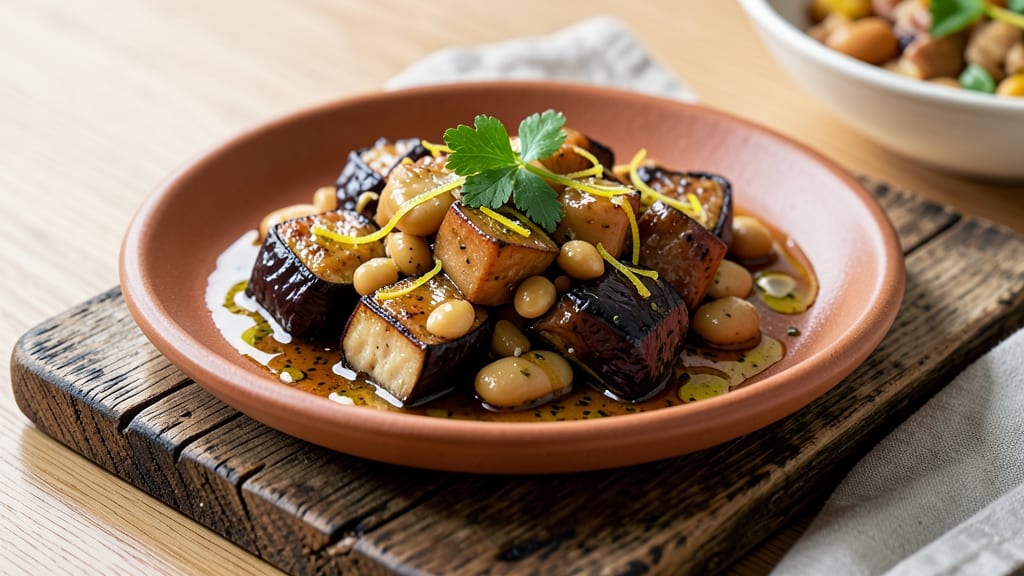
This Mediterranean butter bean and aubergine recipe transforms humble ingredients into a flavor-packed side dish that steals every meal.
The secret lies in roasting eggplant until tender yet crisp at the edges, then combining it with creamy butter beans, garlic, and bright lemon for a dish that’s both hearty and light.
I developed this recipe after realizing how often store-bought sides fall flat—this version delivers restaurant-quality depth with minimal effort.
The beauty of this one-pan wonder is its versatility—it works as a standalone vegetarian main or pairs perfectly with grilled meats and fish. Roasting the aubergine first concentrates its natural sweetness, while butter beans add earthy richness and protein.
A splash of white wine and fresh herbs elevates the dish without overpowering the vegetables, creating a balance that’s both comforting and sophisticated.
What you’ll end up with is a dish that’s naturally vegan, packed with Mediterranean flavors, and ready in under 40 minutes. The eggplant becomes caramelized and tender, the butter beans soak up all the aromatic spices, and the lemon brightens every bite.
It’s the kind of recipe that makes you want to cook it again and again—simple enough for weeknights but impressive enough for guests.
Serve it warm alongside crusty bread to soak up the juices, or pair it with roasted chicken for a complete meal. The flavors only deepen as it sits, making it perfect for meal prep. Here’s how to bring this Mediterranean classic to your table with ease.
Ingredients for butter bean aubergine
Twelve ingredients transform into a restaurant-quality Mediterranean side dish with caramelized eggplant and creamy butter beans.
| Ingredient | Amount | Notes |
|---|---|---|
| Large Eggplants 🍆 | 2 whole | Italian variety preferred, cut into 1-inch cubes |
| Butter Beans (Canned) 🌱 | 1 ½ cups | Drained and rinsed, no salt added |
| Extra-Virgin Olive Oil 🫒 | ½ cup | High-quality, fruity variety for roasting |
| Garlic Cloves 🧄 | 6 cloves | Minced, fresh preferred |
| Dry White Wine 🍷 | ¼ cup | Sauvignon Blanc or Pinot Grigio |
| Lemon Juice 🍋 | ¼ cup | Freshly squeezed, strained |
| Fresh Rosemary 🌿 | ¼ cup | Chopped, stems removed |
| Fresh Thyme Leaves 🌿 | 1 tbsp | Dried works at one-third amount |
| Sea Salt 🧂 | 1 ½ tsp | Diamond Crystal preferred |
| Ground Black Pepper 🌶️ | ½ tsp | Freshly ground for best flavor |
| Vegetable Broth 💧 | ½ cup | Low-sodium preferred |
| Red Pepper Flakes 🌶️ | ½ tsp | Adjust for heat preference |
| Fresh Parsley 🌿 | ¼ cup | Chopped, for garnish |
The eggplant selection matters—Italian varieties like Rosa Bianca hold up best to roasting. Look for firm, glossy skins at Whole Foods or local farmers' markets; avoid soft or shriveled specimens. Butter beans should be no-salt-added canned—the Muir Glen brand is my go-to for consistent quality. Fresh herbs are ideal, but dried thyme at one-third the amount works in a pinch. The white wine should be dry and crisp—Sauvignon Blanc or Pinot Grigio from Trader Joe's or a local wine shop delivers reliable results without breaking the bank. For the olive oil, invest in a high-quality extra-virgin—California-based brands like Corto or Omni offer excellent flavor profiles for roasting.
No white wine? Vegetable broth with a splash of apple cider vinegar mimics the acidity perfectly. Substituting canned tomatoes for eggplant? Use San Marzano tomatoes and reduce the cooking time by 10 minutes. Fresh herbs wilting? Dried oregano at half the amount provides a similar earthy backbone. The red pepper flakes can be omitted entirely for a mild version, or swapped for calabrian chili paste if you want smoky depth. For extra richness, stir in 1 tablespoon of nutritional yeast at the end—it adds a cheesy umami without dairy. The vegetable broth should be low-sodium; if using regular, reduce the added salt by half.
Roasted eggplant keeps its texture for 3 days in the fridge, while the finished dish reheats beautifully—just add a splash of water or broth to prevent drying. For meal prep, store components separately: roast the eggplant ahead, then combine with beans and sauce when ready to serve. The herbs can be chopped and stored in an airtight container with a damp paper towel for 5 days. Freeze the entire dish for up to 3 months—thaw overnight in the fridge before reheating. This dish only gets better as flavors meld, making it perfect for leftovers or batch cooking.
Why You'll Love This Recipe
- No Chopping Struggle: I swear by this recipe on lazy nights—just slice the eggplant into thick rounds, toss in olive oil, and let the grill or oven do the work. No dicing, no peeling, no mess. The butter beans are already canned, so it’s basically a "dump and roast" situation.
- Wine-Garlic Magic: That splash of dry white wine and crushed garlic? It’s the secret weapon. The eggplant soaks up the flavor like a sponge, while the butter beans add this creamy, buttery richness that balances everything perfectly. It’s the kind of dish where every bite tastes like you put in way more effort than you actually did.
- Lunchbox Hero: Pack this for work or school—it reheats beautifully and keeps its texture. I’ve sent my kids off with it in jars (yes, it’s weirdly kid-approved) and even brought it to potlucks. The flavors only get better the next day, so it’s my go-to for meal prep.
- Budget Feast: Eggplant and canned butter beans are dirt cheap, but they feel fancy. A single jar of beans and a couple of eggplants stretch into multiple meals, and the olive oil and wine elevate it without breaking the bank. Honestly, it’s one of those recipes where you’ll wonder why you ever ordered takeout.
Step-by-step instructions for Mediterranean roasted eggplant and butter beans
This one-pan wonder delivers deep Mediterranean flavors with minimal effort—just follow the sequence.
Prep and Roast the Eggplant
Preheat your oven to 425°F and line a large baking sheet with parchment paper. Cut the 2 whole large eggplants into 1-inch cubes, discarding any seedy or discolored portions. Toss the eggplant cubes immediately with 0.5 cup extra-virgin olive oil, 1.5 teaspoons sea salt, and 0.5 teaspoon ground black pepper until evenly coated.
Spread the eggplant in a single layer on the prepared baking sheet, leaving space between pieces for even browning. Roast for 25-30 minutes, stirring once halfway through, until the edges are deeply golden brown and the flesh yields slightly when pierced with a fork. The eggplant should smell sweetly caramelized—this is your cue it's ready for the next stage.
Sauté Aromatics and Deglaze the Pan
While the eggplant roasts, heat 0.25 cup extra-virgin olive oil remaining in a large oven-safe skillet over medium heat. Add the 6 minced garlic cloves and sauté for 1-2 minutes until fragrant but not browned—burnt garlic will make the dish bitter. Stir in the 0.25 cup chopped fresh rosemary and 1 tablespoon fresh thyme leaves, cooking for another 30 seconds until the herbs release their aromatic oils.
Pour in the 0.25 cup dry white wine and scrape up any browned bits from the bottom of the pan with a wooden spoon. Let the wine simmer for 2-3 minutes until reduced by half, creating a rich, flavorful base for the dish. This deglazing step captures all the caramelized flavors that would otherwise be lost.
Combine and Roast the Vegetables
Transfer the roasted eggplant to the skillet with the wine reduction. Add the 1.5 cups drained butter beans, 0.25 cup lemon juice, and 0.5 cup vegetable broth. Stir gently to combine, ensuring the butter beans are evenly distributed. Sprinkle with 0.5 teaspoon red pepper flakes for a subtle heat that brightens the dish.
Return the skillet to the oven and roast for an additional 15-20 minutes until the butter beans are heated through and the eggplant is tender when pierced. The mixture should look glossy and well-coated with the sauce. If the liquid seems too thin, remove the skillet from the oven and let it sit for a few minutes to reduce slightly—this helps thicken the sauce naturally.
Finish and Garnish
Remove the skillet from the oven and let it sit off the heat for 2-3 minutes to allow the flavors to meld. Taste and adjust the seasoning with additional sea salt or lemon juice if needed. The dish should balance sweet eggplant, earthy butter beans, and bright acidity.
Garnish generously with 0.25 cup chopped fresh parsley just before serving. The parsley adds a fresh contrast to the roasted flavors and makes the dish visually appealing. Serve immediately while the eggplant is still warm and tender, accompanied by crusty bread to soak up the delicious sauce.
Pro Tips For Making Butter Bean Aubergine
- CHAR THE EGGPLANTS FIRST: Cut the eggplants into 1-inch chunks, toss them in a single layer on a baking sheet with a drizzle of olive oil, and roast at 425°F (220°C) for 20 minutes before adding anything else. I used to sauté them raw, and they’d just turn mushy—this step gets them tender and caramelized without falling apart.
- DRAIN AND RINSE BEANS: Give those canned butter beans a quick rinse and drain before using, even if the label says "ready to eat." The starchy water can make your sauce gummy, and you don’t want that clinging to the eggplant like glue.
- SWEAT THE GARLIC LOW: Cook the minced garlic in olive oil over medium-low heat until it’s just golden, not browned. I’ve burned garlic enough times to know that crispy bits mean bitterness—you want it fragrant but still soft enough to melt into the wine.
- DEGLAZE WITH WINE IMMEDIATELY: As soon as you remove the eggplant from the pan, pour in the white wine and let it bubble for 30 seconds before adding the beans. That quick deglaze pulls up all the stuck-on flavor—skip it, and you’re missing half the taste.
Pro cooking tips for this dish
Roast Eggplant First
Roasting the eggplant separately before combining it with the beans is key—this step concentrates its natural sweetness and creates that perfect caramelized texture. I like to use Italian eggplants like Rosa Bianca because they hold up beautifully to high heat.
Toss the cubes in 0.5 cup extra-virgin olive oil and roast at 425°F for 25-30 minutes, stirring once halfway. The edges should be golden brown and slightly crisp, while the inside remains tender. 🌱
Deglaze Like a Pro
Never skip the deglazing step—this is where the magic happens! After sautéing the garlic and herbs, pour in the 0.25 cup dry white wine and let it simmer until reduced by half. This creates a rich, flavorful base that binds everything together.
I use a wooden spoon to scrape up those delicious browned bits from the bottom of the pan—those are packed with flavor! 🍷
Balance Sweet and Acid
The lemon juice is what makes this dish truly shine—it cuts through the richness of the roasted eggplant and butter beans while adding brightness. I always use freshly squeezed lemon juice (about 0.25 cup) and strain it to avoid any pulp getting in the way.
If you're short on time, bottled lemon juice works in a pinch, but fresh is always better. 🍋
Low and Slow Finish
After combining everything, return the skillet to the oven for 15-20 minutes at 425°F. This gentle roasting ensures the butter beans heat through without getting mushy, while the eggplant stays tender.
If the sauce looks too thin, let it sit off the heat for a few minutes—it will thicken naturally as the flavors meld. 💫
Garnish for Freshness
Don't underestimate the power of fresh parsley! Just before serving, sprinkle 0.25 cup chopped parsley on top—it adds a pop of color and freshness that contrasts beautifully with the roasted flavors.
I also like to add a pinch of red pepper flakes for a subtle kick that wakes up the dish. 🌿
Equipment Shortcuts
No oven-safe skillet? No problem! Use an oven-safe baking dish instead. I've even made this in a cast-iron skillet on the stovetop over medium-low heat for 20-25 minutes after roasting the eggplant.
Just keep an eye on it—cast iron retains heat well, so you might need to reduce the time slightly. ⚡
Nutrition facts
Frequently asked questions
Can I substitute butter beans with another type of bean?
Yes! You can use white beans or cannellini beans as direct substitutes—they have similar textures and mild flavors. For a creamier result, try great northern beans, but they'll absorb more of the sauce. Avoid kidney beans or black beans—they're too dense and won't blend as well with the roasted eggplant.
What if my eggplant turns out too watery after roasting?
This happens with older eggplants that have absorbed too much water. To fix it, pat the cubes very dry with paper towels before roasting, and salt them 30 minutes ahead of cooking—this draws out excess moisture. If it's already roasted too wet, drain the excess liquid from the pan after combining everything, then roast uncovered for 5-10 extra minutes to thicken the sauce.
How can I make this dish spicier?
For extra heat, add 1 teaspoon of crushed red pepper flakes during the final roasting stage, or stir in 1 tablespoon of harissa paste when combining the eggplant and beans. If you love smoky flavors, swap the red pepper flakes for 1 teaspoon of smoked paprika and add ½ teaspoon of cayenne pepper at the end.
Can I make this recipe in a slow cooker?
Roast the eggplant first as directed, then transfer everything (including the roasted eggplant) to a 3-4 quart slow cooker. Add the wine, broth, and remaining ingredients, then cook on LOW for 3-4 hours or HIGH for 1.5-2 hours. The slow cooking will make the flavors even more melded, but the texture will be softer. Stir occasionally to prevent sticking.
What's the best way to store leftovers?
Store leftovers in an airtight container in the fridge for up to 4 days. The flavors actually improve overnight! To reheat, warm in a skillet over medium-low heat with a splash of water or broth to restore moisture. For freezing, portion into single-serving containers and freeze for up to 3 months. Thaw overnight in the fridge before reheating.