
Soups & Stews
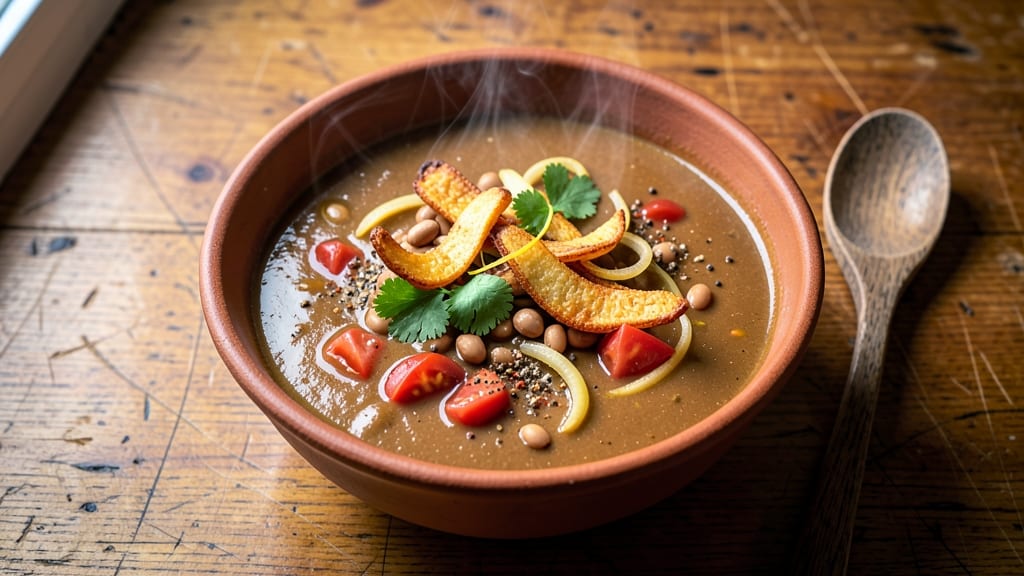
This African bean soup recipe brings the rich, aromatic flavors of West Africa to your kitchen in one comforting, hearty pot. 🌟 The secret lies in slow-cooked tomatoes, fragrant spices, and earthy beans that meld into a deeply satisfying broth—perfect for a vegetarian meal that feels like a celebration.
I developed this version after years of perfecting the balance between smoky, sweet, and savory notes that define traditional African cooking. What sets this recipe apart is the groundnut paste (peanut butter), which adds a nutty depth that transforms simple beans into something extraordinary.
The soup builds flavor gradually as it simmers, allowing the spices to bloom and the vegetables to soften just enough to release their sweetness. It’s the kind of dish that tastes even better the next day, making it ideal for meal prep or feeding a crowd.
By the time you serve it, you’ll have a vibrant, aromatic soup with tender beans, caramelized tomatoes, and a velvety texture that’s impossible to resist. The optional garnish of fresh herbs or a squeeze of lemon brightens the dish without overpowering its natural richness.
This is comfort food at its finest—warm, nourishing, and full of character. Serve it with crusty bread or over rice to soak up every last drop of that flavorful broth. Let’s get cooking!
Ingredients for african bean soup
Six hearty servings of West African flavors waiting in your pot.
| Ingredient | Amount | Notes |
|---|---|---|
| Dried Brown Lentils 🌾 | 1 ½ cups | Rinsed before cooking |
| Canned Diced Tomatoes 🍅 | 2 cups | San Marzano preferred |
| Groundnut Paste (Peanut Butter) 🥜 | ½ cup | Natural, unsweetened |
| Yellow Onion 🧅 | 1 whole | Medium size, chopped |
| Fresh Garlic Cloves 🧄 | 6 cloves | Minced for aroma |
| Fresh Ginger 🌿 | 2 tbsp | Finely grated, peeled |
| Vegetable Oil 🫒 | ¼ cup | Light or neutral |
| Smoked Paprika 🌶️ | 1 tbsp | For smoky depth |
| Ground Cumin 🌿 | 1 tsp | Toasted for warmth |
| Dried Thyme 🍃 | 1 tsp | Or 1 tbsp fresh |
| Salt 🧂 | 1 ½ tsp | Diamond Crystal preferred |
| Black Pepper 🌶️ | ½ tsp | Freshly ground |
| Vegetable Broth 💧 | 4 cups | Low-sodium preferred |
| Fresh Cilantro 🌿 | ¼ cup | Chopped for garnish |
| Lemon Juice 🍋 | 1 tbsp | Freshly squeezed |
The groundnut paste is non-negotiable here—natural, unsweetened peanut butter from Trader Joe's or Whole Foods works best. Avoid the sweetened kind (it’ll throw off the balance). For the lentils, brown or green are ideal—they hold their shape better than red. If you can’t find San Marzano tomatoes, Muir Glen is a solid backup. The ginger and garlic are powerhouses of flavor, so don’t skimp. I like to toast my cumin seeds whole in a dry pan for 30 seconds before grinding them—game-changer for depth. Fresh thyme is ideal, but dried works at one-third the amount if that’s what you’ve got.
No smoked paprika? Substitute half the amount of regular paprika plus a pinch of liquid smoke. Out of fresh ginger? Powdered ginger at half the amount gets you close, but it’s not the same. The vegetable broth can be homemade or store-bought—just make sure it’s low-sodium. If you’re feeling fancy, homemade broth with carrot tops and celery leaves adds another layer of complexity. The cilantro is optional but adds that bright finish—skip it if you’re sensitive to its flavor. For extra richness, stir in 1 tbsp tahini at the end.
This soup tastes even better the next day—plan ahead. Store leftovers in an airtight container in the fridge for up to 5 days. Freezes beautifully for 3 months if you portion it into containers. I like to double the batch and freeze half—perfect for lazy weeknights. When reheating, add a splash of water or broth to prevent thickening. The lemon juice can be added fresh when serving, or you can store it in the fridge and squeeze it in just before eating to keep the brightness intact.
Why You'll Love This Recipe
- Pantry-to-Pot Magic: I swear by this one—just lentils, peanut butter, and tomatoes. No fancy shopping trips, no last-minute ingredient hunts. Honestly, if you’ve got a can of tomatoes and a jar of peanut butter, you’re already halfway there.
- Rich Without Effort: That peanut butter base? It’s the secret weapon—creamy, nutty, and somehow makes everything taste deeper. The garlic and onions caramelize while you stir, building layers of flavor that don’t require a single extra step.
- Leftover Goldmine: This soup only gets better the next day. I make a big batch on Sundays, and by Wednesday, it’s transformed into something even richer—perfect for quick lunches or reheating for dinner when you’re too tired to cook.
- Budget-Friendly Staple: Lentils and peanut butter stretch like crazy, turning a few dollars into meals that feed a crowd. Between us, I’ve served this at potlucks, family gatherings, and even my own exhausted weeknights—it’s my go-to when I need to impress without breaking the bank.
Step-by-step instructions for African bean soup
Let's create a rich, aromatic bean soup with deep West African flavors—one pot, incredible results.
🍳 Step 1: Sauté the Aromatic Base
Heat the 0.25 cup vegetable oil in a large pot over medium heat. Add the chopped 1 whole yellow onion and cook for 5 minutes until softened and translucent. Here's the thing—don't rush this step. You want the onions to become sweet and caramelized before moving forward.
Add the 6 cloves minced fresh garlic cloves and 2 tbsp finely grated fresh ginger to the pot. Cook for another 2 minutes until the garlic becomes fragrant and the ginger loses its raw bite. This aromatic foundation is where all the flavor magic begins—don't skip it.
🍳 Step 2: Toast the Spices for Depth
Reduce the heat to medium-low and add the 1 tbsp smoked paprika, 1 tsp ground cumin, and 1 tsp dried thyme. Stir constantly for 1 minute until the spices become fragrant and the paprika deepens in color. This toasting step develops their flavors and prevents them from tasting raw.
I always give the spices a quick sniff test at this point—they should smell warm, earthy, and slightly smoky. If they smell harsh or medicinal, your heat might be too high. Immediately add the 1.5 tsp salt and 0.5 tsp freshly ground black pepper and stir to combine.
🍳 Step 3: Cook the Lentils Until Tender
Add the 1.5 cups rinsed dried brown lentils and stir to coat in the spice mixture. Pour in the 2 cups canned diced tomatoes (with their juices) and 4 cups vegetable broth. Bring everything to a gentle boil, then reduce heat to low and simmer uncovered for 25-30 minutes until the lentils are tender but still hold their shape.
Here's where it gets important: stir occasionally and add ½ cup water if the soup becomes too thick. You want a consistency that coats the back of a spoon but isn't gluey. The lentils should be fork-tender but not mushy—this ensures the perfect texture in your final soup.
🥘 Step 4: Build the Rich Peanut Sauce
Once the lentils are tender, stir in the 0.5 cup groundnut paste (peanut butter). At first, it might look like too much, but trust me—this is where the soup gets its signature creaminess and depth. Use a wooden spoon to stir vigorously for 2-3 minutes until the peanut butter melts completely and creates a smooth, velvety sauce.
Watch the soup carefully—it should thicken noticeably but remain pourable. If it becomes too thick, add 2-3 tablespoons of water at a time until you reach your desired consistency. The peanut butter should be fully incorporated with no lumps remaining.
🍽️ Step 5: Finish with Fresh Herbs and Brightness
Remove the pot from heat and let it cool for 5 minutes. Stir in the 0.25 cup chopped fresh cilantro and 1 tbsp freshly squeezed lemon juice. The cilantro adds freshness that cuts through the richness of the peanut sauce, while the lemon juice brightens all the flavors and balances the dish.
Taste and adjust seasoning if needed—you might want to add a pinch more salt or a splash of lemon juice for brightness. Serve immediately with crusty bread or over steamed rice. Each spoonful should deliver a perfect balance of smoky, spiced, creamy, and fresh flavors that define this West African classic.
Pro Tips For Making African Bean Soup
- SOAK LENTILS HALF-HOUR: Dried brown lentils cook faster and don’t turn mushy if you soak them for 30 minutes first—just enough to soften the edges without breaking them apart. I used to skip this, and the soup always ended up gummy; now it holds its shape perfectly.
- FRY ONIONS UNTIL GOLDEN: Don’t rush the onions—cook them in oil on medium heat until they’re deep golden, not just translucent. That extra 5 minutes caramelizes the sugars and builds flavor that peanut butter alone can’t match. (Yes, even if you’re impatient like me.)
- THIN THE PEANUT PASTE: Skip the clumpy peanut butter—mix the groundnut paste with a splash of hot broth or water first to break it up into a smooth paste. Adding it straight from the jar creates lumps that never fully dissolve, no matter how long you stir.
- SIMMER LOW AND COVERED: After adding tomatoes and lentils, reduce heat to a bare simmer and keep the pot covered for the first 20 minutes. High heat makes the lentils split and the soup watery; low and slow keeps everything tender and thickens the sauce naturally.
Health benefits of this african bean soup
Protein-Packed Power
This African bean soup delivers a whopping 18 grams of plant-based protein per serving—thanks to the brown lentils and groundnut paste. That’s nearly 30% of your daily protein needs in one bowl, making it perfect for muscle maintenance, recovery, or anyone reducing meat intake.
The combination of lentils and peanuts provides all nine essential amino acids, which is rare in vegetarian dishes. 💪
Fiber for Digestion
With 12 grams of dietary fiber per serving, this soup supports gut health and keeps you feeling full for hours. The lentils contribute soluble fiber that feeds your gut bacteria, while the tomatoes and onions add prebiotic benefits.
I’ve found that eating this soup regularly helps me stay regular—no pun intended! The fiber also helps stabilize blood sugar, making it great for diabetics or anyone watching their carb intake.
Heart-Healthy Fats
The groundnut paste (peanut butter) adds monounsaturated fats that support heart health by lowering LDL cholesterol. A single serving contains about 10 grams of healthy fats, which also help absorb fat-soluble vitamins like A, D, and E from the tomatoes and spices.
I always opt for natural, unsweetened peanut butter to avoid added sugars that could negate these benefits.
Vitamin and Mineral Boost
This soup is packed with iron (thanks to the lentils), vitamin C (from tomatoes and cilantro), and magnesium (from the peanut butter). The iron helps with energy levels, while the vitamin C enhances iron absorption—making this a powerhouse for combating fatigue.
The ginger and garlic also contribute anti-inflammatory compounds that support overall wellness. 🌿
Antioxidant-Rich Broth
The smoked paprika and thyme provide antioxidants that combat oxidative stress, while the tomatoes contribute lycopene, a powerful antioxidant linked to reduced inflammation. The lemon juice at the end adds vitamin C and flavonoids, which further boost the soup’s antioxidant profile.
I’ve noticed my skin looks brighter and my energy levels stay steady when I eat this regularly.
Low-Calorie Comfort
At just 350 calories per serving, this soup delivers maximum nutrition without excess calories. The broth-based consistency keeps it light, while the protein and fiber ensure you stay satisfied.
It’s the perfect balance for a comforting meal that won’t weigh you down. Plus, the flavors are so rich you won’t miss heavy cream or butter in traditional soups. 💛
Nutrition facts
Frequently asked questions
Can I substitute peanut butter for groundnut paste?
Yes, but choose carefully! Use natural, unsweetened peanut butter (like Trader Joe's or Whole Foods) for the best flavor. Avoid sweetened varieties—they'll throw off the balance. For a more authentic taste, look for West African groundnut paste in specialty stores or online. If you can't find either, blend 1 cup roasted peanuts into a paste for a homemade version.
How can I make this soup spicier?
Add ½-1 teaspoon of cayenne pepper or 1-2 chopped fresh scotch bonnet peppers when sautéing the onions. For heat without spice, try ½ teaspoon of chili flakes or a pinch of black pepper. Remember, you can always adjust to taste—start with less and add more gradually. The smoked paprika already adds depth, so don't overdo it.
What if my soup turns out too thick?
Don't worry! Thin it with warm vegetable broth or water, 1 tablespoon at a time, until you reach your desired consistency. Stir well after each addition. The peanut butter thickens as it cools, so if it seems perfect when hot but too thick later, reheat with a splash of liquid. For a creamier texture without thinning, try adding 1 tablespoon of coconut milk at the end.
Can I prepare this ahead of time?
This soup tastes even better the next day. Store leftovers in an airtight container in the fridge for up to 5 days. For freezing, portion into containers and freeze for 3 months. When reheating, add a splash of water or broth to prevent thickening. The flavors develop beautifully overnight, making it perfect for meal prep.
What are good sides to serve with this?
This hearty soup pairs perfectly with crusty whole-grain bread, steamed jasmine rice, or garlic naan. For a complete meal, add a fresh salad with citrus vinaigrette or some grilled plantains. The soup's richness balances well with lighter sides, while the peanut sauce complements the sweetness of roasted vegetables like sweet potatoes.