
Side Dishes
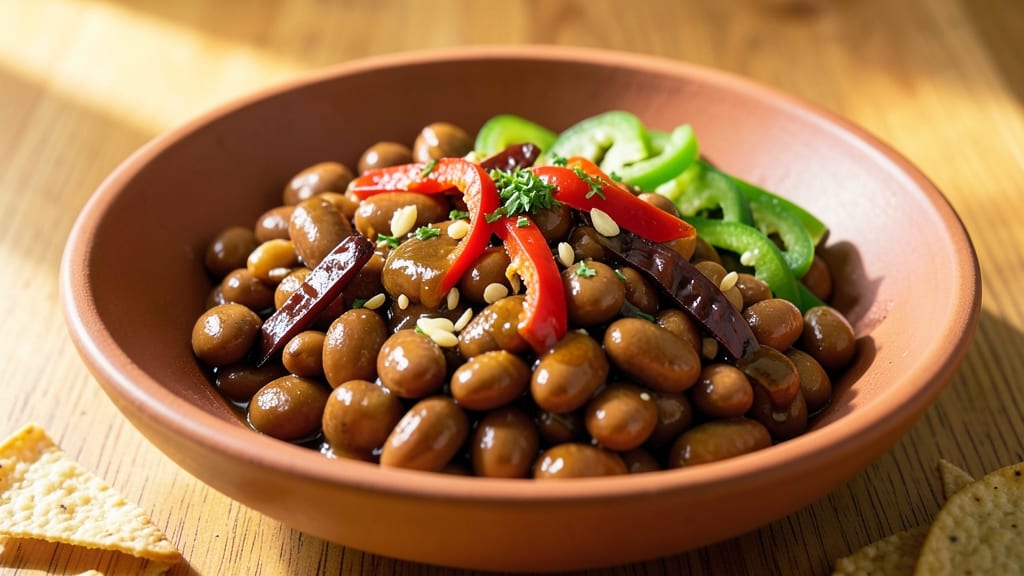
This Bayo Gordo bean recipe brings the soul of Puerto Rican cuisine to your table with its deep, smoky chipotle and garlic-infused flavors. 🌶️ The secret lies in slow-cooking dried bayo gordo beans with sofrito—a blend of peppers, garlic, and herbs—that transforms simple ingredients into a dish rich with tradition.
What makes this recipe special is how it balances earthy bean flavors with just the right amount of heat and sweetness, creating a side that stands up to rice or grilled meats.
Unlike many bean recipes, Bayo Gordo beans require a long soak and gentle simmer to achieve their signature tender yet firm texture. The sofrito base, made from fresh peppers, garlic, and culantro, infuses the beans with layers of flavor that develop as they cook.
This dish is more than just a side—it’s a taste of home, a comforting staple that pairs perfectly with arroz con gandules or grilled chicken.
The result is a pot of beans that’s aromatic, hearty, and packed with smoky depth from chipotle peppers. Each bite delivers a harmonious blend of garlic, peppers, and the natural nuttiness of the beans, making it a dish that’s both satisfying and deeply flavorful.
Whether you’re serving it at a family gathering or a quiet weeknight dinner, these beans will be the star of the meal.
Ready to make this classic dish? The process is straightforward but requires patience—soaking the beans overnight and simmering them for hours—but the reward is a side dish that’s worth every minute. Here’s how to bring the flavors of Puerto Rico to your kitchen.
Ingredients for bayo gordo bean
These 14 ingredients unlock the soul of Puerto Rican tradition in every smoky, garlic-kissed bite.
| Ingredient | Amount | Notes |
|---|---|---|
| Dried Bayo Gordo Beans 🌱 | 2 cups | Rinsed thoroughly before soaking |
| Red Bell Pepper 🍅 | 1 whole | Fresh, seeds removed |
| Green Bell Pepper 🍅 | 1 whole | Fresh, seeds removed |
| Garlic Cloves 🧄 | 6 cloves | Fresh, peeled and smashed |
| Culantro Stems 🌿 | ¼ cup | Fresh, chopped (or substitute cilantro) |
| Chipotle Peppers in Adobo 🌶️ | 2 whole | Adjusted for heat preference |
| Tomatoes 🍅 | 2 whole | Ripe, diced (or 1 cup canned tomatoes) |
| Olive Oil 🫒 | ½ cup | Extra-virgin for richness |
| Bay Leaves 🍃 | 2 whole | Fresh preferred |
| Cumin Seeds 🌿 | 1 tsp | Toasted for deeper flavor |
| Salt 🧂 | 1 ½ tsp | Kosher or sea salt |
| Black Peppercorns 🌶️ | ½ tsp | Freshly ground |
| Onion 🧅 | 1 whole | Medium, chopped |
| Water 💧 | 8 cups | For soaking and cooking |
The dried Bayo Gordo beans are non-negotiable for that signature texture—local Puerto Rican markets or specialty Latin grocers carry them, but Hispanic supermarkets like La Tienda or Econo usually stock them too. If you can't find them, pinto beans work in a pinch, though they won't have the same depth. The chipotle peppers in adobo bring the smoky heat, so adjust based on your tolerance—start with one whole pepper if you're sensitive. Fresh culantro (also called recao) is essential for that authentic flavor, but cilantro adds a similar brightness if you're substituting. For the sofrito base, roast the bell peppers and garlic in olive oil until charred—they should be blackened in spots for maximum flavor.
No adobo sauce? Smoked paprika plus a pinch of cayenne mimics the smokiness, though it won't be identical. Running short on culantro? Fresh parsley or cilantro at half the amount keeps the dish from falling apart. The bay leaves add subtle earthiness—don't skip them, but remove them before serving. For the cumin seeds, toast them in a dry pan for 30 seconds until fragrant before adding to the pot. Pre-chopped onions from the store are fine, but slowly caramelizing them in olive oil first builds deeper flavor. If you're using canned tomatoes, San Marzano is ideal, but any good-quality canned tomatoes will do.
Beans need overnight soaking—don't rush it. After simmering, they'll keep in the fridge for 5-6 days and freeze beautifully for up to 3 months. I double the batch and freeze half—lazy Sundays become effortless. The sofrito base can be prepped ahead and stored in the fridge for 3 days or frozen for 3 months. When reheating, add a splash of water to prevent drying out. These beans taste even better the next day as flavors meld, so make extra—they disappear fast at gatherings.
Why You'll Love This Recipe
- One-Pot Magic: I swear by this—just soak the dried beans overnight (or use a pressure cooker for 30 minutes), toss everything in one pot, and walk away. No chopping like a pro, no fancy techniques—just let the garlic and bell peppers mellow into something rich while you do other stuff. (Yes, even on a Tuesday night.)
- Herb-Packed Punch: That culantro? It’s the secret weapon—bright, citrusy, and impossible to ignore. The bayo gordo beans hold their shape but soften just enough to soak up the smoky bell peppers and garlic like a dream. Honestly, I’ve tried other beans, but this combo is ridiculously good.
- Meal Prep MVP: Make a big batch on Sunday, and you’ve got lunch or dinner covered for days. The flavors deepen overnight, and reheating? Just add water, simmer, and serve. My kids grab it cold in wraps—no complaints, just empty plates.
- Budget Meal, Big Payoff: Dried beans stretch for next to nothing, and bell peppers last forever in the fridge. I’ve fed six people for under $10 with this, and no one ever guesses how cheap it was. Between us, it’s my go-to when I’m broke but still want to eat well.
Step-by-step instructions for smoky chipotle Bayo Gordo beans
Transform these hearty beans into a rich, smoky masterpiece with deep garlic and chipotle flavors.
🍳 Step 1: Soak and Prepare the Beans
Rinse the 2 cups dried bayo gordo beans thoroughly under cold water to remove any debris. Place them in a large bowl and cover with 8 cups water by at least 2 inches. Let them soak overnight at room temperature—or for at least 12 hours—to ensure they soften properly. The beans should swell significantly and nearly triple in size.
Drain the soaked beans and rinse again before transferring them to a large pot. Add fresh 8 cups water and bring to a boil over medium-high heat. Reduce heat to medium-low and simmer for 30 minutes, skimming off any foam that rises to the surface. This step removes impurities and ensures a clean-tasting final dish.
🔥 Step 2: Build the Smoky Base
In a separate skillet, heat 0.5 cup olive oil over medium heat. Add the 1 whole chopped onion and cook for 5 minutes until softened and translucent. Add the 6 smashed garlic cloves and cook for another 1 minute until fragrant—don't let them brown or they'll turn bitter.
Stir in the 1 tsp toasted cumin seeds and cook for 30 seconds until aromatic. Remove the skillet from heat and set aside. In the same pot with the simmering beans, add the 2 whole bay leaves, 1.5 tsp salt, and 0.5 tsp freshly ground black peppercorns. Let the beans simmer uncovered for 1 hour, stirring occasionally to prevent sticking.
🍳 Step 3: Add the Aromatics and Chipotle
After the beans have simmered for 1 hour, add the onion-garlic-cumin mixture to the pot. Stir well to combine. Chop the 1 whole red bell pepper, 1 whole green bell pepper, and 2 whole tomatoes into ½-inch pieces and add them to the pot along with the 0.25 cup chopped culantro stems. Dice the 2 whole chipotle peppers in adobo (remove seeds for less heat) and add them to the pot.
Return the pot to a gentle simmer and cook uncovered for 45-60 minutes, stirring occasionally. The beans are done when they're tender but not mushy—you should be able to mash them slightly with a fork but still see some texture. The sauce should thicken naturally as the beans absorb the liquid.
⏰ Step 4: Season and Rest for Depth
Once the beans reach the perfect tenderness, taste and adjust the seasoning. You may need to add more salt or black peppercorns to taste—this dish should be rich and well-seasoned. Remove the bay leaves and discard them. Let the beans rest off the heat for 15 minutes to allow the flavors to meld completely.
Before serving, stir the beans gently and taste again. The chipotle should add a deep, smoky heat, while the garlic and cumin provide warmth. The culantro adds a bright, herby finish that cuts through the richness. Serve warm alongside rice, grilled meats, or fresh tortillas for a complete meal.
Pro Tips For Making Bayo Gordo Bean
- SOAK BEANS TWICE: I learned this the hard way—skipping the second soak leaves Bayo Gordo beans tough no matter how long you simmer. First soak overnight in plenty of water (at least 3x the bean volume), then drain and do a quick 30-minute second soak in fresh water with 1 tsp baking soda per pound of beans. This breaks down the skins better than any magic potion.
- CHAR THE PEPPERS: Don’t just chop those bell peppers raw—they need to sweat first. Slice them into ½-inch strips, toss with 1 tsp salt, and let them sit in a colander for 10 minutes. Then, sear them dry in a hot skillet for 3-4 minutes until slightly blistered. This concentrates their flavor and adds a smoky depth the recipe actually needs.
- TOAST THE GARLIC: Crushing garlic cloves raw into the pot is lazy. Instead, peel and smash them whole with the flat side of your knife, then toast them in a dry skillet over medium heat for 2-3 minutes until golden and fragrant. The nuttiness they develop cuts through the beans’ earthiness—trust me, your mouth will notice the difference.
- SAVE THE CULANTRO WATER: That bright green liquid left after washing culantro stems? Don’t pour it down the drain. Strain it into a small bowl and mix it back into the finished beans at the very end. It’s like liquid sunshine—adds freshness without overpowering, and it’s way easier than trying to finely chop stems. (Yes, even if you’re impatient like me.)
Pro cooking tips for great bayo gordo bean
Sofrito Mastery
The sofrito base is where the magic happens—charred bell peppers and garlic create a deep, smoky foundation. Roast the peppers and garlic in olive oil until blackened in spots, then blend with onions for a concentrated flavor bomb.
I like to toast the cumin seeds in a dry pan first—they add a nutty warmth that elevates the entire dish. 🌶️
For extra depth, add a pinch of smoked paprika to the sofrito mixture. This mimics the chipotle’s smokiness and ensures every bite has that signature Puerto Rican warmth.
If you’re short on time, use a food processor to finely chop the roasted aromatics instead of blending—it still delivers incredible flavor without the extra step.
Chipotle Heat Control
Adjust the heat level by controlling how much of the chipotle peppers you use. Start with 1 whole pepper for mild heat, 2 peppers for medium, and up to 3 peppers for a spicy kick. Remove the seeds and membranes first to reduce heat while keeping the smoky flavor.
I often blend the chipotle peppers with a little of the cooking liquid to create a smooth, smoky paste that coats the beans evenly.
For a deeper smoky flavor without added heat, substitute 1 tablespoon adobo sauce (from the can) for one of the whole peppers. The sauce contains the same smoky essence but with less capsaicin, making it perfect for sensitive palates. 💡
Bean Texture Secrets
Achieving the perfect texture—tender but not mushy—is all about timing and technique. Simmer the beans uncovered for the last 30 minutes of cooking to allow excess liquid to evaporate naturally.
If the beans are still firm after 2 hours of total cooking time, add ½ cup hot water and continue simmering for another 20 minutes—this helps them soften without turning to mush.
I’ve found that using a heavy-bottomed pot prevents scorching and helps maintain a steady simmer. Stirring the beans gently every 15 minutes ensures even cooking and prevents them from sticking to the bottom.
The goal is to keep the beans intact but easily mashable with a fork—they should hold their shape when served.
Flavor Boosting Hacks
Add a splash of white vinegar (about 1 tablespoon) during the final 10 minutes of cooking to brighten the flavors and cut through the richness. This is a common trick in Puerto Rican cooking that adds a subtle tang.
For extra richness, stir in 2 tablespoons tomato paste with the sofrito—it deepens the sauce and adds a slight sweetness that balances the heat.
If your beans taste flat after cooking, don’t be afraid to boost the seasoning with a pinch of salt and a crack of black pepper. A sprinkle of fresh culantro right before serving adds a vibrant finish that makes the dish sing.
The beans will taste even better the next day as the flavors meld, so make extra for leftovers!
Nutrition facts
Frequently asked questions
Can I substitute Bayo Gordo beans with other types?
While Bayo Gordo beans are ideal for this recipe, you can use pinto beans or black beans in a pinch. However, the texture and flavor won't be identical—Bayo Gordo beans have a unique firmness and earthy taste that works perfectly with the smoky chipotle and sofrito. If substituting, soak the beans for 1 extra hour to ensure tenderness.
How do I find Bayo Gordo beans if my local store doesn't carry them?
Look for them in Puerto Rican specialty stores, Hispanic markets, or online at retailers like La Tienda or Econo. If unavailable, check the Latin foods aisle in larger grocery stores. For a last resort, pinto beans will work, but the dish won't have the same authentic character.
Why do the beans need such a long cooking time?
Dried beans require slow cooking to break down their tough skins while maintaining texture. The 3-4 hour simmer allows the flavors to meld deeply with the sofrito and chipotle. Skipping this step results in beans that are either too hard or mushy. Patience is key—this is what creates the dish's signature hearty, smoky goodness!
Can I make this recipe in a pressure cooker or Instant Pot?
Yes! First soak the beans for 2 hours (no need for overnight soaking). Then cook on high pressure for 25 minutes after the pressure builds, followed by a 10-minute natural release. Add the sofrito and chipotle during the last 15 minutes of cooking. The texture will be slightly different but still delicious.
What's the best way to reheat leftover Bayo Gordo beans?
Gently reheat on the stove with 2-3 tablespoons water over low heat for 5-10 minutes, stirring occasionally. Microwaving works too—cover with a damp paper towel and heat in 30-second intervals, stirring between each. Never reheat dry beans as they'll become rubbery. The beans taste even better reheated as flavors deepen!