
Main Courses
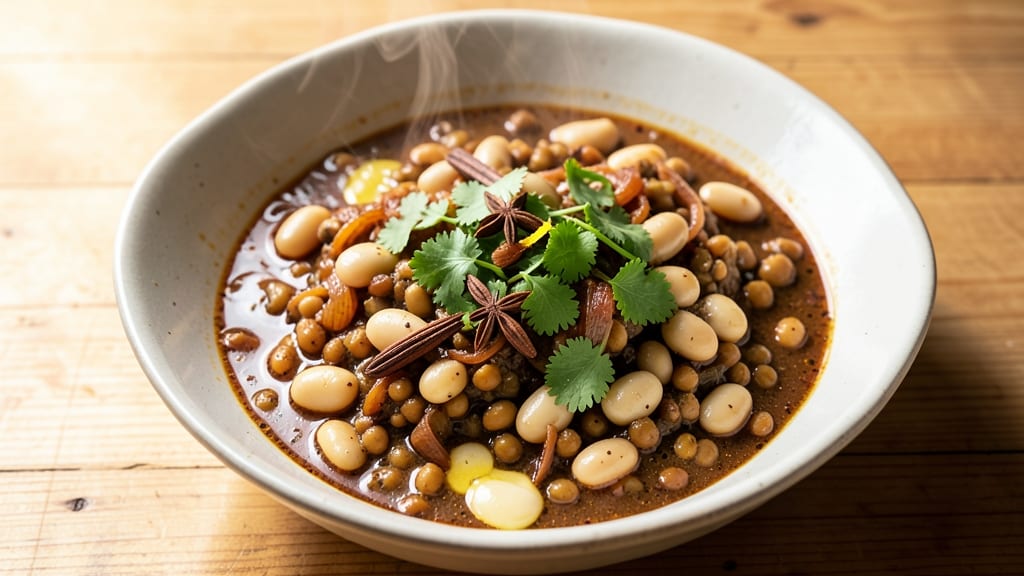
This one-pot bean and lentil curry delivers hearty, protein-rich flavor without the fuss of multiple dishes. The secret lies in slow-cooked spices and tender legumes that meld into a deeply aromatic, satisfying meal.
I developed this recipe after years of perfecting the balance between traditional techniques and modern convenience—like using a pressure cooker for faster results without sacrificing depth.
The beauty of this curry is its versatility. Whether you prefer a rich coconut milk base or a tangy tomato foundation, the method adapts easily.
We'll start with a fragrant tempering of whole spices—cumin, coriander, and cardamom—that forms the flavor backbone, then build layers of warmth with ginger, garlic, and fresh herbs. The beans and lentils cook until tender but hold their shape, creating a hearty texture that pairs perfectly with rice or flatbread.
What makes this recipe truly special is how it transforms simple ingredients into something extraordinary. The spices caramelize gently as they cook, developing complex notes that transform the dish from ordinary to unforgettable.
By the time you're serving steaming bowls of this curry, your kitchen will smell like a bustling Indian restaurant, and every bite will deliver that perfect balance of earthy, spicy, and slightly sweet flavors.
Best of all, this curry scales effortlessly—double the batch for a crowd or halve it for a cozy dinner for two. The leftovers reheat beautifully, making it ideal for meal prep.
Ready to create a dish that's as nourishing as it is delicious? Let's get started with the ingredients and step-by-step instructions that follow.
Ingredients for bean and lentil curry
These aromatic spices and hearty legumes create a deeply satisfying one-pot curry that's packed with protein and flavor.
| Ingredient | Amount | Notes |
|---|---|---|
| Yellow Onions 🧅 | 1 whole | Diced into small pieces |
| Garlic Cloves 🧄 | 6 cloves | Minced for aromatic base |
| Fresh Ginger Root 🌿 | 2 tbsp | Finely grated, organic preferred |
| Cumin Seeds 🌶️ | 1 ½ tbsp | Toasted for deeper flavor |
| Ground Coriander 🌿 | 1 tbsp | Freshly ground preferred |
| Cardamom Pods 🌶️ | 6 whole | Lightly crushed, aromatic |
| Turmeric Powder 🌶️ | 1 tsp | Freshly ground for potency |
| Garam Masala 🌶️ | 1 tbsp | Homemade or quality blend |
| Diced Tomatoes 🍅 | 14 ½ oz | Canned, no salt added |
| Coconut Milk 🥥 | 13 ½ oz | Full-fat canned, unsweetened |
| Red Lentils 🍲 | 1 cup | Rinsed thoroughly |
| Chickpeas 🍣 | 15 oz | Canned, drained and rinsed |
| Black-Eyed Peas 🍲 | 1 cup | Canned, no salt added |
| Fresh Cilantro 🌿 | ¼ cup | Chopped, stems removed |
| Fresh Lemon Juice 🍋 | 2 tbsp | Freshly squeezed |
| Vegetable Oil 🫒 | 2 tbsp | High smoke point preferred |
| Sea Salt 🧂 | 1 ½ tsp | Fine grain preferred |
| Black Peppercorns 🌶️ | ½ tsp | Freshly cracked |
The spices are where this curry shines. Whole cumin seeds should be toasted until fragrant—Penzeys Spices or bulk bins at Whole Foods have the best quality. Cardamom pods need to be lightly crushed, not powdered, for that authentic burst of aroma. Fresh ginger and garlic are non-negotiable here—they're the flavor anchors. For the lentils, red lentils break down nicely but still hold shape, while black-eyed peas add a delightful pop of texture. I always grab the no-salt-added canned beans from Trader Joe's to keep sodium in check.
No fresh cilantro? Dried cilantro at half the amount works in a pinch, though it lacks that bright freshness. Short on coconut milk? Substitute with extra tomato and a splash of vegetable broth, but you'll lose some richness. The garam masala blend is crucial—store-bought works, but making your own with cinnamon, cloves, and black pepper takes it to the next level. For the tomatoes, San Marzano canned tomatoes are worth the investment—they're sweeter and more flavorful than generic brands. And if you're using a pressure cooker, adjust the cooking time slightly since it speeds up the process.
This curry tastes even better the next day as flavors meld together. Store in an airtight container in the fridge for up to 5 days or freeze portions for 3 months. I like to portion it into meal prep containers so I can grab a bowl anytime. The spices keep well in sealed containers for 6 months, so buy extra if you love this recipe. And trust me, you will—this freezes beautifully and reheats like a restaurant-quality dish.
Why You'll Love This Recipe
- Minimal Chopping Needed: I swear by this—just dice one onion, mince a few garlic cloves, and grate a thumb of ginger. The rest? Toss in whole spices and let them work their magic. No knife marathon here.
- Earthy Depth in Minutes: That toasted cumin and coriander? Chef’s kiss. The onions caramelize just enough to coat the beans and lentils in a rich, almost smoky sweetness—no fancy technique, just patience while you stir.
- Meal Prep MVP: Make a double batch on Sunday, and you’ve got lunch for the week. It reheats beautifully, keeps its texture, and honestly? My kids beg for leftovers more than they do for new food.
- Pantry Staple Power: Between us, this curry costs me pennies per serving. Beans, lentils, onions—stuff I already have. And the flavor? Ridiculously good enough to trick everyone into thinking it’s restaurant-quality.
Step-by-step instructions for bean and lentil curry
This aromatic curry comes together in one pot with layers of spice and texture.
Toast the Spices for Maximum Flavor
Heat the 2 tablespoons vegetable oil in a large, heavy-bottomed pot over medium heat. Add the 1.5 tablespoons cumin seeds and toast for 1 minute until they begin to sizzle and release their nutty aroma. This is your signal to add the 6 whole cardamom pods and 1 teaspoon turmeric powder, stirring constantly for 30 seconds until fragrant.
Here's the thing—properly toasting your spices unlocks their full potential. The cumin should be golden and popping, while the cardamom pods will darken slightly and smell intensely floral. If you smell burning, reduce the heat immediately. After 1 minute, add the 1 tablespoon ground coriander and stir for another 30 seconds until the spices are evenly coated in oil and smell like a spice market in India.
Sauté the Aromatics Until Deeply Fragrant
Push the spices to one side of the pot and add the 1 whole yellow onions, diced into small pieces. Cook for 4-5 minutes until they soften and begin to caramelize at the edges. Stir occasionally to prevent burning. Once the onions are translucent and sweet-smelling, add the 6 cloves garlic cloves and 2 tablespoons fresh ginger root, both minced finely.
Cook the garlic and ginger for 2 minutes until they're golden around the edges but not browned—this ensures they infuse their flavor without bitterness. The entire pot should now smell like a warm spice bazaar. If the onions start to stick, add a splash of water and scrape up any browned bits from the bottom; these contain concentrated flavor.
Build the Curry Base with Tomatoes and Coconut Milk
Add the 14.5 ounces diced tomatoes to the pot and stir well. Let the mixture simmer for 5 minutes until the tomatoes break down and the liquid reduces slightly, creating a rich, thick base. This step develops the curry's depth of flavor—don't rush it. Once the tomatoes have softened and the sauce thickens, stir in the 13.5 ounces coconut milk and bring to a gentle simmer.
Here's where the curry starts to come together. The coconut milk should create a velvety texture while the tomatoes provide acidity to balance the richness. Taste the mixture now—it should be fragrant with a balance of spice and sweetness. If it needs more depth, add another ½ teaspoon turmeric powder or a pinch of sea salt. Now's also the time to add the 1 tablespoon garam masala and stir well.
Add the Legumes and Simmer to Perfection
Combine the 1 cup red lentils, 15 ounces chickpeas, and 1 cup black-eyed peas with the curry base. Stir gently to distribute the spices evenly. Bring the mixture to a boil, then reduce the heat to low and let it simmer uncovered for 25-30 minutes, stirring occasionally. The lentils should soften and the peas become tender, but not mushy—you want them to hold their shape.
This is where patience pays off. The curry should thicken gradually as the liquid reduces, coating each legume in a rich, spiced sauce. You'll know it's ready when the lentils are fork-tender and the peas are easily pierced with a fork. If the curry gets too thick before the legumes are done, add ½ cup water and continue simmering. The texture should be creamy but not soupy.
Finish with Fresh Herbs and Bright Acid
Once the legumes are tender, remove the pot from heat and stir in the 2 tablespoons fresh lemon juice and 1.5 teaspoons sea salt. The acidity brightens the dish and cuts through the richness of the coconut milk. Add the 0.5 teaspoon black peppercorns and the 0.25 cup fresh cilantro, chopped and stems removed. Let the curry sit for 5 minutes off the heat to allow the flavors to meld.
Here's the moment that matters: Taste and adjust the seasoning. You might need a bit more salt or lemon juice to balance the flavors. The curry should be aromatic, with a perfect harmony of spice, sweetness, and acidity. Serve immediately with steamed basmati rice or warm naan bread, and watch as everyone digs in for seconds. This one-pot wonder delivers comfort, protein, and bold flavors in every bite.
Pro Tips For Making Bean And Lentil Curry
- Bloom the Spices Slowly: I learned this the hard way—dumping cumin seeds and ground coriander into hot oil at once just makes your kitchen smell like burnt toast. Instead, toast the cumin seeds on medium-low for 30 seconds until they sizzle gently, then add the ground coriander and stir for another 20 seconds. That way, the spices wake up properly without turning bitter.
- Slice Ginger Like a Pro: Peeling and grating ginger is tedious, but julienning it thinly into matchsticks makes all the difference. The surface area cooks faster, and you won’t end up with raw ginger chunks lurking in your curry. (Yes, I’ve tasted them. Not fun.)
- Salt the Beans Early: Add half the salt to the beans before they hit the simmering pot. It softens them faster and prevents them from absorbing too much liquid later. Trust me, your curry will be thicker and more flavorful—no mushy, watery mess here.
- Use Two Pots for Even Cooking: Lentils and beans cook at different speeds, so split them: simmer the lentils in one pot until tender (about 15 minutes), then add the beans to the curry later. This guarantees they finish together without one group turning to mush while the other stays hard. (Your future self will thank you.)
Perfect pairings for this recipe
Spiced Rice Pairings
Serve this curry with fragrant basmati rice cooked in 1 part rice to 1.5 parts water with a pinch of saffron or turmeric for extra color and aroma.
I like to toast the rice in 1 tablespoon oil for 2 minutes before adding water—this enhances its nutty flavor and prevents mushiness. For a shortcut, use pre-cooked jasmine rice from a rice cooker or microwave. 🍚
For a heartier option, try jeera rice (cumin-infused basmati) by tempering 1 teaspoon cumin seeds in 2 tablespoons ghee before adding rice. This complements the curry’s earthy spices beautifully. If you prefer a lighter base, cauliflower rice sautéed with garlic and ginger works well for a low-carb twist.
Warm Flatbreads
No curry is complete without warm naan or roti to soak up every last drop of sauce. I recommend using store-bought naan from the grocery freezer section—just brush with garlic butter and warm in a skillet over medium heat for 1-2 minutes per side.
For homemade, try whole wheat roti with a sprinkle of sesame seeds for added texture. 🥖
For extra flair, make garlic naan by mixing 2 tablespoons minced garlic with 3 tablespoons melted butter and brushing it on warm naan. The garlic’s pungency cuts through the richness of the coconut milk beautifully.
If you’re short on time, pita bread or tortillas work in a pinch—just warm them until pliable.
Cool Yogurt Toppings
Balance the heat with a dollop of plain Greek yogurt mixed with 1 teaspoon roasted cumin powder, ½ teaspoon salt, and a squeeze of lemon. This cooling contrast is a must for spicier versions.
I like to serve it in a small bowl on the side so everyone can adjust to their taste. For extra protein, stir in 1 tablespoon chopped mint or fresh cilantro. 🥛
For a tangy twist, try raita by blending ½ cup yogurt with 2 tablespoons grated cucumber, 1 teaspoon chaat masala, and 1 teaspoon lemon juice. The crunchy cucumber adds a refreshing bite that pairs perfectly with the creamy curry.
Store-bought mango yogurt (like Dannon Light & Fit) also works for a fruity contrast.
Fresh Vegetable Sides
Add a crisp, fresh element with a cucumber-onion salad tossed in 1 tablespoon rice vinegar, 1 teaspoon sugar, and a pinch of salt. The acidity brightens the rich flavors of the curry while adding a refreshing crunch.
I slice ½ cucumber and ½ red onion into thin rounds for the best texture. 🥒
For a heartier side, roast cauliflower with 1 tablespoon olive oil, ½ teaspoon turmeric, and ½ teaspoon cumin at 400°F for 20 minutes until golden. The caramelized edges add a smoky depth that complements the curry’s warmth.
A simple mixed greens salad with lemon-tahini dressing also works to cleanse the palate between bites.
Nutrition facts
Frequently asked questions
Can I make this curry without coconut milk?
For a lighter version, substitute with 1 cup tomato sauce plus ½ cup vegetable broth. For extra richness, use ½ cup Greek yogurt (cooked down first) or 1 cup blended cashews with water. The coconut adds natural sweetness—balance without it with a touch more sugar or maple syrup.
How do I adjust the spice level for kids or sensitive eaters?
Reduce the cumin and garam masala by half, and omit the cardamom pods. Add ½ teaspoon honey or maple syrup to balance any remaining heat. For extra mildness, simmer with 1 extra cup water to dilute the spices before adding the legumes. Always taste as you go!
Can I use dried beans instead of canned chickpeas and black-eyed peas?
Yes, but soak them overnight first! Use 1 cup dried chickpeas and 1 cup dried black-eyed peas, then simmer separately until tender (1-1.5 hours). Drain well before adding to the curry. For faster cooking, use a pressure cooker (30 minutes after soaking).
Why did my curry turn out too thick or too thin?
Too thick? Add ½ cup water or broth while simmering. Too thin? Simmer uncovered for 5-10 extra minutes to reduce. The coconut milk and tomatoes naturally thicken as they cook—stir frequently in the last 10 minutes to control consistency. For extra thickness, mash 2-3 lentils with a fork.
How can I make this curry in an Instant Pot?
Sauté onions, garlic, and ginger as directed. Add all remaining ingredients except herbs and lemon juice, then seal and cook on high pressure for 8 minutes. Quick-release the pressure, stir in fresh herbs, and finish with lemon juice. The pressure cooker cuts time by 20-25 minutes while keeping flavors intense!