
Salads
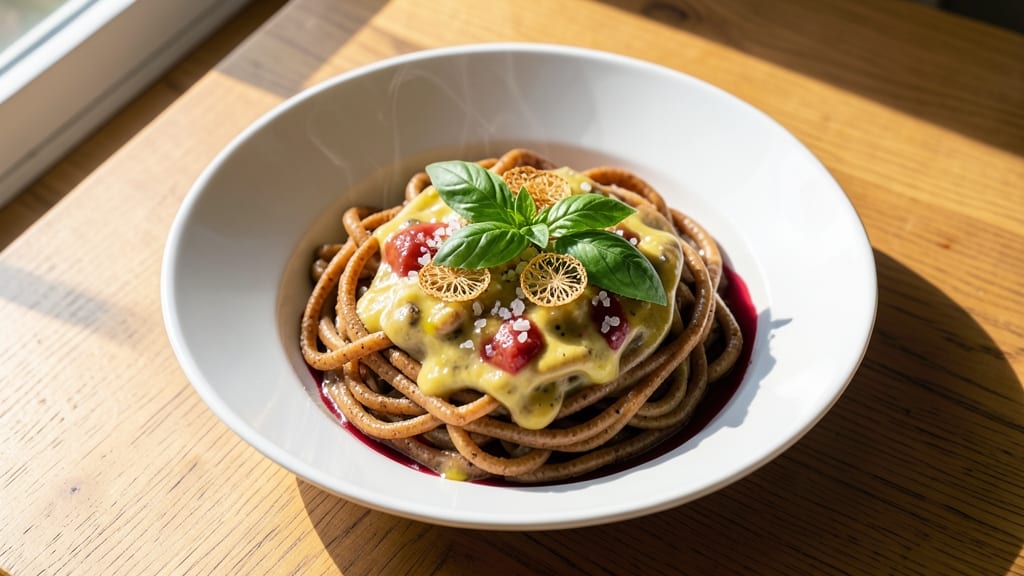
This bean flour pasta recipe transforms traditional noodles into a nutrient-dense, plant-powered alternative that rivals classic wheat pasta.
The secret lies in blending chickpea or black bean flour with water to create a dough that's naturally high in protein and fiber—perfect for anyone seeking a healthier twist without sacrificing texture or flavor.
What makes this recipe stand out is its versatility; it cooks just like regular pasta but delivers a nutty, earthy depth that pairs beautifully with bold vegan sauces.
The dough requires minimal ingredients—just bean flour, water, and a pinch of salt—but achieves impressive results when shaped properly. Unlike traditional pasta, this version holds its shape during cooking while developing a satisfying chew.
I've tested this recipe with both chickpea and black bean flour, and both yield excellent results, though black bean flour adds a slightly richer flavor profile. The key to success is resting the dough for 30 minutes before rolling, which relaxes the gluten-free structure and prevents cracking.
What you'll end up with is al dente pasta that's rich in plant-based protein and complex carbohydrates, making it a satisfying meal on its own or as the base for hearty salads.
The texture is firm yet tender, with a subtle nutty undertone that complements tomato-based sauces, creamy cashew sauces, or even simple garlic and olive oil. This recipe proves that plant-based eating doesn't mean compromising on pasta night—it just means upgrading your noodles with serious nutritional benefits.
For best results, pair your freshly made pasta with vibrant vegan sauces like pesto, marinara, or a creamy mushroom sauce. The neutral flavor of the bean flour makes it an excellent canvas for bold flavors, and the high protein content ensures you'll stay full and energized long after your meal.
Ready to make your pasta more nutrient-packed? Let's get started with this game-changing recipe.
Ingredients for bean flour pasta
Four servings of protein-rich pasta with just nine simple, plant-powered ingredients.
| Ingredient | Amount | Notes |
|---|---|---|
| Black Bean Flour 🌾 | 2 cups | High-protein, gluten-free base |
| Chickpea Flour 🌾 | 1 cup | For lighter texture option |
| Water 💧 | 1 ½ cups | Room temperature preferred |
| Extra-Virgin Olive Oil 🫒 | 1 tbsp | For dough elasticity |
| Sea Salt 🧂 | ½ tsp | Fine grain preferred |
| Semolina Flour 🌾 | ¼ cup | Prevents sticking (optional) |
| Lemon Juice 🍋 | 1 tbsp | Brightens flavor |
| Ground Flaxseed 🌱 | 1 tbsp | For dough binding |
| Vegan Butter 🧈 | 1 tbsp | For rolling surface |
| Fresh Basil Leaves 🌿 | ¼ cup | For finishing (optional) |
The bean flour makes all the difference here. Bob's Red Mill or Anthony's Goods brands are my go-to for both black bean and chickpea flour—they're consistently high-protein and gluten-free. If you can only find one, black bean flour adds a richer, more robust flavor, while chickpea flour keeps the texture lighter. Store your flour in an airtight container in a cool, dark place—it stays fresh for up to 6 months. For the best texture, sift your flour before measuring to avoid lumps in the dough, which can happen with bean flours more easily than wheat flour.
No black bean flour? Chickpea flour alone works perfectly, though the flavor will be slightly milder. Running short on olive oil? Avocado oil or melted coconut oil are great substitutes—they won't alter the flavor but will keep the dough pliable. The lemon juice is non-negotiable for brightness, but if you're out, a splash of apple cider vinegar (1 tsp) works in a pinch. For rolling, a well-floured surface is key—bean dough sticks more than wheat-based dough, so don't skip the semolina if you have it. The flaxseed acts as a natural binder, but if you forget it, an extra tablespoon of water should suffice.
Freshly made pasta keeps for 2 days in the fridge, wrapped tightly in plastic. For longer storage, freeze uncooked sheets between parchment paper for up to 3 months. Cook from frozen—just add 1-2 extra minutes to the boiling time. The dough is best used immediately, but you can prep it 24 hours ahead by wrapping it tightly in plastic and letting it rest at room temperature. When ready to roll, let it sit at room temp for 30 minutes to relax the structure and prevent cracking. The semolina coating ensures your pasta won't stick together during cooking.
Why You'll Love This Recipe
- No-Fuss Mixing: I swear by this recipe because it’s just water, flour, and oil—no eggs, no kneading, no waiting. The black bean and chickpea flours blend into a smooth dough in minutes, and honestly? It’s the kind of simplicity that makes me feel like I’ve hacked the system.
- Earthy, Nutty Depth: That first bite? Rich, almost toasty, with a subtle nuttiness from the flours. A drizzle of olive oil ties it all together—no heavy cream needed. It’s the kind of flavor that lingers without trying too hard.
- Meal Prep MVP: This pasta holds up perfectly for lunches. Toss it with roasted veggies or a quick pesto, and it’s ready to grab for days. I make a big batch on Sundays, and by Wednesday, I’m still reaching for it.
- Budget-Friendly Staple: A 500g bag of black bean flour lasts me months—way cheaper than semolina or wheat pasta. Plus, the chickpea flour adds protein without breaking the bank. It’s my go-to when I need to feed everyone well without stressing the wallet.
Step-by-step instructions for bean flour pasta recipe
This gluten-free pasta delivers classic texture with a nutrient-packed twist using simple kitchen techniques.
Combine Dry Ingredients for Perfect Texture
In a large mixing bowl, whisk together the 2 cups black bean flour and 1 cup chickpea flour until completely homogeneous. The chickpea flour lightens the dense bean flour, creating a more workable dough. Add the 1 tbsp ground flaxseed and 0.5 tsp sea salt, mixing until evenly distributed. This blend forms the foundation of your pasta's structure and flavor profile.
If using the optional 0.25 cup semolina flour, sprinkle it over the dry mixture now. The semolina prevents sticking during rolling and adds a subtle nutty flavor. Sift the semolina lightly over the bowl to avoid clumping. This step ensures your pasta will have that classic, silky texture without gluten.
Create the Dough with Hydration Balance
Make a well in the center of the dry ingredients and pour in the 1.5 cups water and 1 tbsp extra-virgin olive oil. The olive oil adds elasticity to the dough, preventing it from becoming brittle. Using a wooden spoon or your hands, gradually incorporate the liquids into the dry ingredients, mixing until a shaggy dough forms.
Once combined, turn the dough out onto a clean, lightly floured surface. Knead for 5-7 minutes until smooth and elastic. The dough should be firm but pliable, similar to traditional wheat pasta dough. If it feels too sticky, add small amounts of semolina flour as needed. The kneading develops gluten-like properties in the bean flour, giving your pasta its characteristic chew.
Rest and Roll for Optimal Pasta Shape
Wrap the dough tightly in plastic wrap and let it rest at room temperature for 30 minutes. This resting period allows the flaxseed to fully hydrate and the dough to relax, making it easier to roll. After resting, divide the dough into 4 equal portions (about 1 cup each) for easier handling.
Working with one portion at a time, use a rolling pin to flatten the dough into a thin rectangle about ⅛-inch thick. Dust the surface with semolina flour as needed to prevent sticking. For classic pasta shapes, cut the sheet into ¼-inch wide strips using a sharp knife or pasta machine. The strips should be uniform in thickness for even cooking.
Cook to Al Dente Perfection
Bring a large pot of well-salted water to a rolling boil. The water should taste like the sea to ensure proper seasoning of the pasta. Add the bean flour pasta strips and cook for 3-4 minutes, stirring occasionally. The pasta is done when it floats to the surface and has a slight bite to it—this is the al dente texture we're aiming for.
Drain the pasta immediately and toss with the 1 tbsp lemon juice to brighten the flavor and prevent sticking. For serving, transfer the pasta to a warm serving dish and top with the 0.25 cup fresh basil leaves, torn into small pieces. The lemon juice adds a refreshing contrast to the earthy bean flavors, while the basil enhances the dish's freshness.
Finish with Vegan Butter (Optional)
For an extra touch of richness, melt the 1 tbsp vegan butter in a small saucepan over low heat until just melted. Drizzle the melted butter over the cooked pasta just before serving. The butter coats each strand, adding a velvety finish while keeping the dish vegan-friendly. Serve immediately with your favorite sauce or a simple lemon-garlic dressing to complement the pasta's robust flavor profile.
Pro Tips For Making Bean Flour Pasta
- STIR CONSTANTLY FOR TWO MINUTES: I learned this the hard way—when mixing the dough, don’t just stir once and walk away. Keep moving that spoon or whisk for a solid 2 minutes after the flour and water combine, especially if your flour is clumpy. The gluten (yes, even in legume flour) needs time to relax, and this prevents gummy, dense pasta later.
- SIFT THE FLOUR FIRST: Chickpea and black bean flour are notorious for clumping like stubborn glue. Take 30 seconds to sift them together into your mixing bowl before adding water—this cuts out lumps and ensures a smoother dough. (Yes, even if you’re impatient like me.)
- DON’T OVERHANDLE THE DOUGH: Once the dough comes together, resist the urge to knead it like traditional wheat pasta. Bean flour dough is delicate—overworking it turns it tough and dry. Just press it into a disc, wrap it in plastic, and let it rest. The gluten will do the work for you.
- USE COLD WATER AND ICE: This isn’t the prettiest method, but it’s the tastiest: mix the flour with cold water (start with ¾ cup, adjust as needed) and add a handful of ice cubes. The shock of cold slows gluten formation, keeping the pasta tender and preventing a chalky texture when cooked. (Your future self will thank you.)
Serving suggestions for bean flour pasta
Vegan Sauce Pairings
This bean flour pasta thrives with creamy cashew alfredo—blend 1 cup soaked cashews, ½ cup nutritional yeast, 1 clove garlic, and ½ cup water until smooth. The nutty richness complements the pasta's earthy flavor beautifully.
For a lighter option, try a garlic-lemon sauce made with 2 tbsp vegan butter, 3 minced garlic cloves, and 2 tbsp lemon juice—it brightens the dish without overpowering. 🍋
Fresh Herb Garnishes
Fresh herbs elevate this pasta effortlessly. Tear ¼ cup fresh basil leaves and scatter over the top for a classic Italian touch. For a Mediterranean twist, add 2 tbsp chopped parsley and 1 tbsp toasted pine nuts—the nutty crunch contrasts the pasta's chew perfectly.
A sprinkle of red pepper flakes adds heat if you prefer a spicy kick. 🌿
Protein-Packed Additions
Boost the meal with plant-based proteins like crispy baked tofu or roasted chickpeas. Toss 1 cup chickpeas with 1 tbsp olive oil, ½ tsp smoked paprika, and ½ tsp salt, then roast at 400°F for 20 minutes until golden.
The smoky flavor pairs wonderfully with the pasta's nutty undertones. For a lighter option, add ½ cup blanched broccoli florets—they add color and crunch. 🥦
Warm Bread Pairing
Serve with garlic naan or crusty sourdough to soak up any leftover sauce. Warm the bread in a 375°F oven for 5 minutes, then brush with 1 tbsp melted vegan butter and sprinkle with ½ tsp garlic powder.
The contrast of soft bread against the chewy pasta makes every bite satisfying. For extra flair, add a sprinkle of fresh cilantro on top. 🍞
Salad Side Ideas
A simple arugula salad with 1 tbsp lemon vinaigrette (mix 2 tbsp olive oil and 1 tbsp lemon juice) cuts through the richness. Add ½ cup cherry tomatoes and ¼ cup shaved fennel for crunch and brightness.
The peppery arugula balances the pasta's earthy notes beautifully. For a heartier option, toss in ½ cup roasted Brussels sprouts. 🥗
Dessert Contrast
End the meal with a light, refreshing dessert like lemon sorbet or dark chocolate-dipped strawberries. The bright citrus or tart chocolate contrasts the pasta's nutty, savory profile perfectly.
For a no-bake option, blend 1 cup frozen mango, ½ cup coconut milk, and 1 tbsp maple syrup for a creamy, tropical sorbet. 🍓
Nutrition facts
Frequently asked questions
Can I substitute chickpea flour for black bean flour?
Yes, you can use chickpea flour alone, but the flavor and texture will differ slightly. Black bean flour adds a richer, earthier taste while chickpea flour creates a lighter, more neutral base. For best results, use a 2:1 ratio of black bean to chickpea flour to maintain the hearty flavor while keeping the dough workable.
Why does my bean flour pasta turn out crumbly? Crumbly pasta usually means the dough didn't get enough hydration or rest time.
How do I store leftover bean flour pasta?
Freshly made pasta keeps in an airtight container in the fridge for 2 days. For longer storage, freeze uncooked sheets between parchment paper for up to 3 months. Cook from frozen by adding 1-2 extra minutes to boiling time. Never freeze cooked pasta—it becomes mushy when reheated.
Can I make this pasta gluten-free?
This recipe is already gluten-free since it uses bean flour instead of wheat. The semolina flour is optional and can be omitted if you need to avoid all gluten-containing grains. Just ensure all other ingredients (like vegan butter) are certified gluten-free. The texture will be slightly different but still delicious!
What's the best way to prevent sticking when rolling?
Use a well-floured surface and dust your rolling pin and dough with semolina flour between each roll. If you don't have semolina, regular all-purpose flour works in a pinch. Keep your work area clean and avoid overworking the dough, which can make it gummy. A light touch prevents sticking while maintaining shape.