
Side Dishes
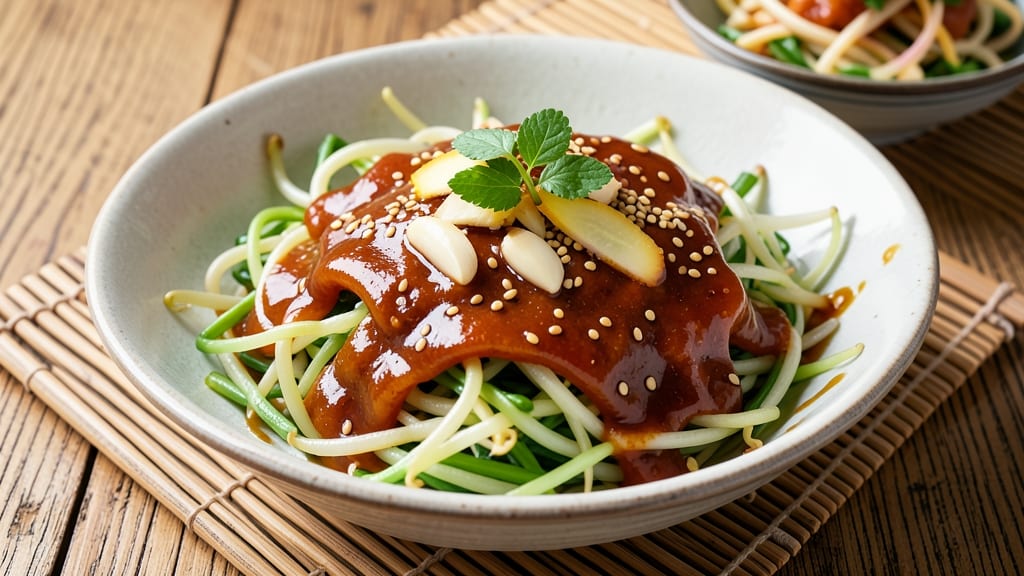
This Korean-style bean sprout recipe delivers the perfect balance of crisp-tender texture and bold, spicy-savory flavor that makes it a staple side dish. The secret lies in quick blanching followed by a zesty stir-fry with gochujang, garlic, and sesame oil—transforming simple bean sprouts into a restaurant-worthy dish.
I developed this recipe after realizing how often store-bought versions missed that essential crunch and depth of flavor.
The process starts with blanching the sprouts to soften them just enough, then stir-frying with a foolproof technique that locks in crispness while absorbing the vibrant seasoning. Traditional Korean flavors shine through with gochujang's signature heat, balanced by the nutty richness of sesame oil and the fresh bite of garlic.
This dish comes together in under 20 minutes, making it ideal for weeknight meals or festive gatherings.
What you'll end up with is a dish that's vibrant green, fragrant with garlic and sesame, and perfectly textured—crisp on the outside, tender within. The gochujang glaze adds a sticky, slightly sweet contrast that elevates every bite.
This recipe serves as both a refreshing side and a satisfying light meal, especially when paired with steamed rice or served alongside grilled meats.
For an extra touch, garnish with toasted sesame seeds and sliced green onions right before serving. The combination of textures and flavors makes this more than just a side dish—it's a flavor experience that will have everyone asking for seconds. Let's get started on this Korean-inspired classic!
Ingredients for bean sprout recipe korean style
Fresh mung bean sprouts and bold Korean flavors transform this quick side into a restaurant-worthy dish.
| Ingredient | Amount | Notes |
|---|---|---|
| Mung Bean Sprouts 🌱 | 4 cups | Fresh, trimmed, not dried |
| Gochujang 🌶️ | 2 tbsp | Korean fermented chili paste |
| Sesame Oil 🫒 | 1 ½ tbsp | Toasted, for aroma |
| Garlic Cloves 🧄 | 4 cloves | Minced, fresh preferred |
| Fresh Ginger 🌿 | 1 tbsp | Grated, finely minced |
| Soy Sauce 🍶 | 2 tbsp | Low-sodium preferred |
| Rice Vinegar 🍶 | 1 tbsp | White or seasoned |
| Sesame Seeds 🌰 | 1 tbsp | Toasted, for garnish |
| Green Onions 🧅 | 2 whole | Sliced, for garnish |
| Vegetable Oil 🫒 | 1 tbsp | High smoke point |
| Salt 🧂 | ½ tsp | Kosher or sea salt |
| Sugar 🍯 | ½ tsp | White granulated |
The mung bean sprouts are the foundation—look for vibrant green, crisp stems at Asian markets or the produce section. Trader Joe's and H Mart carry excellent quality, but any fresh sprouts will work. Avoid pre-washed bags; rinsing and trimming them yourself ensures maximum crispness. For gochujang, Dong Guk or Maesil brands deliver authentic depth of flavor. If unavailable, Gochujang from the international aisle will suffice, though it may lack complexity. Toast your sesame seeds in a dry pan for 30 seconds until fragrant—they add a nutty crunch that elevates every bite.
No gochujang? A mix of 1 tbsp sriracha and 1 tbsp soy sauce mimics the heat and umami, though it won't replicate the fermented depth. Fresh ginger is ideal, but substitute with 0.5 tsp ground ginger if needed. For extra sweetness, maple syrup or agave can replace sugar in a 1:1 ratio. The rice vinegar adds brightness—substitute with apple cider vinegar if unavailable. If your sesame oil smells harsh, it's rancid; replace with fresh. For a smokier profile, add 0.5 tsp smoked paprika to the stir-fry. The key is balance: gochujang for heat, sesame oil for richness, vinegar for acidity.
Blanched sprouts keep for 3 days in the fridge if stored in a sealed container with a paper towel to absorb moisture. The stir-fried dish reheats best in a skillet over medium heat with a splash of water to restore crispness. For meal prep, store components separately: blanch sprouts first, then stir-fry when ready to serve. Garnishes like sesame seeds and green onions can be toasted and stored in an airtight container for up to 2 weeks. Freeze gochujang in ice cube trays for single-use portions—thaw overnight in the fridge to preserve texture.
Why You'll Love This Recipe
- No-Chop Nightmare: I swear, the only prep is rinsing sprouts and mincing garlic—no dicing, no peeling, no fuss. That gochujang does all the work while you stir.
- Umami Bomb: The ginger and garlic sizzle in sesame oil until the kitchen smells like a Korean street stall, then the gochujang ties it all together with that deep, spicy-sweet punch. It’s the kind of flavor that makes you pause mid-bite.
- Lunchbox Hero: Cold or at room temp, these keep their crunch for days—perfect for packed lunches, potlucks, or when you’re too tired to cook. My kids actually eat their veggies this way.
- Pantry Magic: Sprouts grow in 3 days, gochujang lasts forever, and the rest? Basic spices. You’re feeding a crowd for less than $10, and leftovers taste just as good reheated or cold. Budget win.
Step-by-step instructions for Korean-style gochujang bean sprouts
Master this technique for perfectly crisp-tender sprouts with bold, balanced flavors.
Blanch the Bean Sprouts for Crisp-Tenderness
Bring a medium pot of water to a rolling boil. Add the 4 cups Mung Bean Sprouts and blanch for 30 seconds—just until they turn bright green and begin to soften slightly. Immediately drain in a colander and rinse under cold water for 10 seconds to stop the cooking process. This quick blanch removes excess starch while preserving their natural crunch.
Transfer the blanched sprouts to a clean kitchen towel and gently pat them dry. The goal is to remove surface moisture without crushing the delicate sprouts. Spread them on a wire rack for 2 minutes to ensure even drying before proceeding. Proper drying is crucial—it prevents soggy sprouts when stir-frying.
Prepare the Gochujang Marinade
In a small bowl, combine the 2 tbsp Gochujang, 2 tbsp Soy Sauce, 1 tbsp Rice Vinegar, 0.5 tsp Sugar, and 0.5 tsp Salt. Mix until the sugar and salt dissolve completely, creating a smooth paste. This marinade forms the flavor base for your sprouts, balancing the heat of gochujang with umami and acidity.
Add the 1.5 tbsp Sesame Oil and whisk vigorously for 10 seconds to emulsify. The sesame oil carries the aromatic compounds that will coat each sprout. Set this mixture aside while you prepare the aromatics—it needs to sit for 2 minutes to allow the flavors to meld before tossing with the sprouts.
Stir-Fry the Aromatics and Sprouts
Heat a large wok or skillet over medium-high heat until hot. Add the 1 tbsp Vegetable Oil and swirl to coat the surface. When the oil shimmers, add the 4 cloves minced Garlic Cloves and 1 tbsp finely minced Fresh Ginger. Stir-fry for 30 seconds until fragrant but not browned—this prevents bitterness from developing.
Immediately add the blanched sprouts in a single layer. Stir-fry for 2-3 minutes over medium heat, tossing constantly with tongs. You're aiming for crisp-tender texture—sprouts should remain vibrant green with slight resistance when bitten. If they appear too dry, add 1 tablespoon water and continue cooking for another 30 seconds to steam them gently.
Finish with Gochujang and Garnish
Pour the prepared gochujang marinade over the hot sprouts. Toss vigorously for 1-2 minutes until each sprout is evenly coated and glistening. The residual heat will help the sauce cling while enhancing its flavor. Taste and adjust seasoning—you may need an additional 0.25 tsp Salt or 0.25 tsp Sugar to balance the heat and sweetness.
Remove from heat and immediately sprinkle with 1 tbsp toasted Sesame Seeds and 2 whole sliced Green Onions. The seeds add nutty crunch while the onions provide fresh contrast. Serve immediately while the sprouts maintain their perfect texture and the sauce remains vibrant. This dish works equally well as a side, salad topping, or light main course.
Pro Tips For Making Bean Sprout Recipe Korean Style
- STIR-FRY FAST, THEN REST: Blister the mung bean sprouts over high heat for 30 seconds—just until they start to wilt—then toss in the garlic and ginger. After adding gochujang, pull the pan off heat immediately and let the sauce cling for 2 minutes. I learned this the hard way: cooking too long after adding the paste turns the sprouts mushy instead of tender-crisp.
- USE WET GINGER: Peel and slice the ginger thin, then soak the pieces in warm water for 5 minutes before cooking. The extra moisture keeps it from burning and lets the flavor infuse faster. (Yes, even if you're impatient like me—this isn’t the step where you can cut corners.)
- SALT THE SPROUTS FIRST: Rinse the mung bean sprouts, drain, and toss them with ½ teaspoon salt in a bowl for 10 minutes. This removes bitterness and helps them absorb the gochujang better. Skip this, and your dish will taste flat, no matter how much sesame oil you add.
- TOAST GARLIC SEPARATELY: Minced garlic burns faster than you think. Sauté 3 chopped cloves in 1 teaspoon sesame oil until golden (about 30 seconds), then remove them with a slotted spoon. Stir them back in at the very end—this adds nutty depth without overpowering the dish. (Your future self will thank you.)
Best sauces and condiments for these flavors
Gochujang Base
The star of this dish is gochujang, Korea's fermented chili paste that delivers both heat and umami. For authentic flavor, use Dong Guk or Maesil brand—they offer the perfect balance of sweetness and spice.
Start with 2 tbsp and adjust to taste, as the heat level varies by brand. If you can't find gochujang, mix 1 tbsp sriracha with 1 tbsp soy sauce for a quick substitute, though it won't have the same depth.
For extra richness, add ½ tsp toasted sesame oil directly to the gochujang marinade. This enhances the nutty aroma while helping the sauce cling better to the sprouts. Let the marinade sit for 2 minutes before tossing—this allows the flavors to meld and creates a smoother texture. 🌶️
Sesame Oil Glaze
Don't skimp on the sesame oil—it's what gives this dish its signature aroma. Use 1.5 tbsp toasted sesame oil in the marinade and an additional ½ tsp for finishing. The oil should smell nutty and fragrant, not harsh.
If your sesame oil smells off, it's rancid—replace it immediately. For a smokier profile, add ½ tsp smoked paprika to the stir-fry for depth.
Toast your sesame seeds separately in a dry pan for 30 seconds until golden. Sprinkle them over the finished dish for crunch and visual appeal. The contrast between the crisp seeds and tender sprouts makes every bite more satisfying.
Store extra toasted seeds in an airtight container for up to 2 weeks.
Soy-Ginger Balance
The soy sauce and fresh ginger create the perfect umami backbone for this dish. Use low-sodium soy sauce to control saltiness, and finely mince the ginger for even distribution.
For a brighter finish, add 1 tbsp rice vinegar—this cuts through the richness and balances the heat. If you prefer tangier flavor, substitute with apple cider vinegar.
For extra zing, add ½ tsp grated lemon zest to the marinade. The citrus brightens the dish without overpowering the gochujang. If you're serving this as a light meal, increase the vinegar to 1.5 tbsp for a refreshing twist.
Always taste as you go—adjust seasonings in ¼ tsp increments for precision.
Sweet-Savory Finish
A touch of sugar balances the spicy-savory flavors beautifully. Start with ½ tsp granulated sugar in the marinade, then adjust to taste. For a natural sweetener, use maple syrup or agave in a 1:1 ratio.
The sugar caramelizes slightly during stir-frying, adding a subtle depth of flavor that rounds out the dish.
For a smoky-sweet variation, add ½ tsp honey to the marinade along with the sugar. This creates a caramelized glaze when tossed with the hot sprouts.
If you're serving this dish to kids or sensitive eaters, reduce the gochujang to 1 tbsp and add 1 tsp honey for a milder, sweeter profile. The result is still flavorful but more approachable.
Nutrition facts
Frequently asked questions
Can I use dried bean sprouts instead of fresh?
Fresh mung bean sprouts are essential for this recipe—they provide the perfect crisp-tender texture. Dried sprouts won't rehydrate with the same snap, and you'll end up with mushy results. If you can't find fresh, look for pre-sprouted (not dried) bean sprouts in the refrigerated section of Asian markets. Always choose vibrant green sprouts with crisp stems for the best outcome.
How do I adjust the spice level in this recipe?
Start with 2 tbsp gochujang for balanced heat, but you can easily adjust. For milder flavor, reduce to 1 tbsp and add ½ tsp honey to offset the spice. For extra heat, increase to 3 tbsp gochujang and add ½ tsp red pepper flakes. Always taste before serving—Korean gochujang varies in spice intensity by brand.
Can I make this recipe ahead of time?
For best results, prepare the dish fresh—bean sprouts lose their crispness when reheated. However, you can prep components ahead: blanch and dry the sprouts up to 3 days in advance and store in an airtight container with a paper towel. Keep the gochujang marinade separate and combine just before serving. The aromatics (garlic and ginger) should be added fresh for maximum flavor.
What's the best way to store leftover bean sprouts?
Store blanched (uncooked) sprouts in an airtight container with a paper towel for 3 days max in the fridge. For cooked leftovers, refrigerate for 2 days and reheat gently in a skillet with ½ tsp sesame oil over medium heat. Add 1 tsp water to restore crispness. Freezing isn't recommended—it destroys the delicate texture.
Are there gluten-free alternatives?
Yes! This recipe is naturally gluten-free if you use tamari instead of soy sauce and verify your gochujang is certified gluten-free. Some brands contain wheat—check labels. For extra flavor, add 1 tsp coconut aminos to the marinade. The dish maintains its vibrant taste while being completely safe for gluten-sensitive diets.