
Soups & Stews
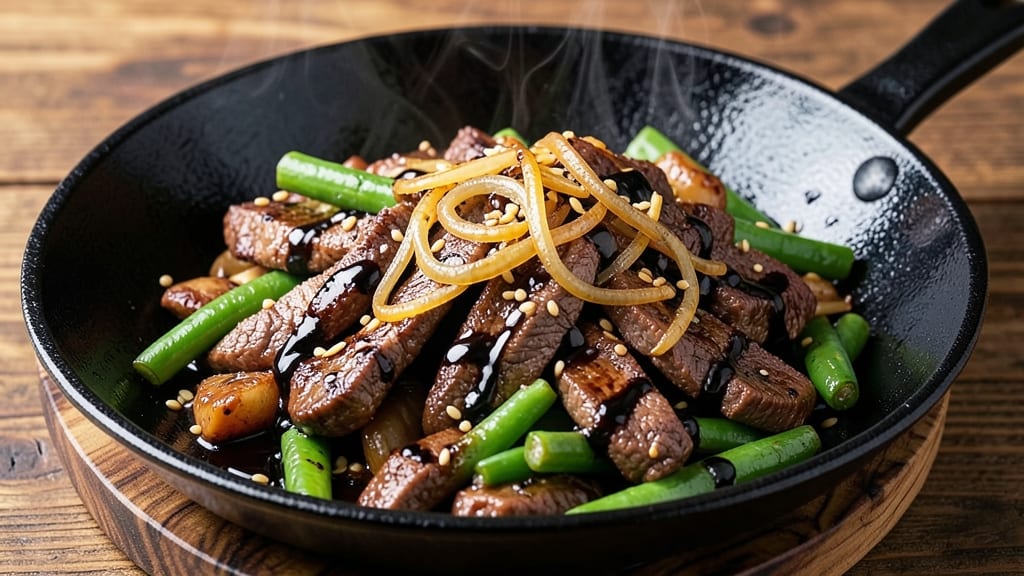
This beef and bean stir fry recipe delivers restaurant-quality wok-seared flavor in just 20 minutes—no takeout required. The secret lies in high-heat searing of thinly sliced beef and quick-cooking beans, creating a dish that's packed with protein, texture, and bold seasoning. I developed this recipe during a particularly hectic week when I needed a satisfying meal that came together faster than ordering delivery.
The magic happens in the wok or large skillet, where beef strips develop a caramelized crust while the beans stay tender-crisp. A simple soy-ginger sauce ties everything together, balancing savory, sweet, and umami notes perfectly.
What makes this recipe work so well is the technique of cooking everything in stages—first the aromatics, then the beef, then the beans—so nothing gets soggy or overcooked.
By the time you plate it, you'll have perfectly seared beef with tender beans and vibrant vegetables, all coated in that glossy, flavorful sauce. The dish is hearty enough to serve as a main course but light enough to enjoy for lunch.
Serve it over steamed rice or with crusty bread to soak up every last drop of that delicious sauce.
This stir fry freezes beautifully for meal prep, making it perfect for busy weeks. The flavors actually improve after reheating, so you can make a big batch and enjoy it throughout the week.
Whether you're cooking for one or feeding a crowd, this recipe delivers satisfying, restaurant-quality results in record time.
Ingredients for beef and bean stir fry
Restaurant-quality stir fry starts with these bold ingredients—thin beef, crisp beans, and a punchy sauce.
| Ingredient | Amount | Notes |
|---|---|---|
| Flank Steak 🥩 | 1 lb | Thinly sliced against grain |
| Green Beans 🍃 | 1 ½ lbs | Trimmed, cut into 2-inch pieces |
| Yellow Onion 🧅 | 1 whole | Thinly sliced |
| Garlic Cloves 🧄 | 6 cloves | Minced |
| Fresh Ginger 🌿 | 1 tbsp | Grated, finely |
| Soy Sauce 🍶 | ⅓ cup | Low-sodium preferred |
| Sesame Oil 🫒 | 1 tbsp | Toasted, for aroma |
| Honey 🍯 | 1 tbsp | Wildflower preferred |
| Rice Vinegar 🍶 | 1 tbsp | White or seasoned |
| Vegetable Oil 🫒 | 2 tbsp | High smoke point |
| Red Bell Pepper 🌶️ | 1 whole | Thinly sliced |
| Sesame Seeds 🥜 | 1 tbsp | Toasted, for garnish |
| Salt 🧂 | 1 tsp | Diamond Crystal preferred |
| Black Pepper 🌶️ | ½ tsp | Freshly ground |
| Jasmine Rice 🍚 | 1 ½ cups | Uncooked, for serving |
The beef is non-negotiable here. Flank steak gives you that perfect chew, but sirloin or ribeye work too—just slice against the grain. I grab mine from the butcher counter at Whole Foods when I can, but the pre-packaged kind at Trader Joe's is solid. Green beans should be bright and crisp—avoid anything rubbery. The red bell pepper adds sweetness, but yellow or orange work just as well. For the ginger, fresh is a must—dried just won’t cut it here.
No flank steak? Chicken thigh or shrimp works in a pinch, but the texture changes. Soy sauce? Low-sodium keeps things balanced—high-sodium can make the dish taste flat. The honey adds depth, but maple syrup works if you’re avoiding it. Sesame oil is for aroma—use sparingly, or the flavor will overwhelm. For extra umami, toss in 1 tsp fish sauce (if you eat it) or 1 tbsp coconut aminos. The rice vinegar cuts through the richness—substitute lime juice if that’s what you’ve got.
Prep the beef last—it cooks fastest. Store any unused sliced beef in an airtight container with a damp paper towel for up to 2 days. The stir fry reheats beautifully—just add a splash of water to the pan and stir. Freezes for 3 months, but the texture gets softer after thawing. I always make double batches—leftovers make killer lunches. Serve over steamed jasmine rice or crusty bread to soak up that delicious sauce.
Why You'll Love This Recipe
- No-Fuss Protein Power: The flank steak slices itself into tender strips with a quick slice—no fancy butchering required. Between us, that’s my secret for making weeknights feel like a restaurant.
- Garlic-Ginger Magic: One sniff of that sizzling garlic and fresh ginger hitting the pan, and you’ll know why this tastes like a hug. The onions caramelize just enough to make every bite rich and layered—no complicated sauces needed.
- Leftovers That Don’t Lie: This doubles effortlessly, and the flavors actually get better the next day. Honestly, I’ve reheated it three times, and it’s still the star of my lunchbox—crispy edges and all.
- Budget Meal Hero: Flank steak stretches further than you’d think, and green beans are one of those "always on sale" veggies. Here’s what sold me: a full week’s worth of lunches for less than a takeout order.
Step-by-step instructions for wok-seared beef and bean stir fry
Here's how to create a restaurant-quality stir fry with perfect wok hei and tender beef in just 20 minutes.
Prep All Ingredients for Even Cooking
Start by slicing the 1 lb flank steak against the grain into ¼-inch thick strips. This ensures tender bites that cook quickly. While the steak rests, trim the 1.5 lbs green beans and cut them into 2-inch pieces—longer pieces will char beautifully in the wok.
Thinly slice the whole yellow onion and whole red bell pepper into ¼-inch strips for even cooking. Mince the 6 cloves garlic cloves and grate the 1 tbsp fresh ginger finely—these aromatics will infuse the dish with deep flavor. Keep all prepped ingredients within reach so you can cook in one continuous motion.
Cook the Jasmine Rice to Perfection
Rinse the 1.5 cups jasmine rice under cold water until the water runs clear, then drain well. Cook the rice according to package instructions in a separate pot—it should be fluffy and fully cooked before the stir fry begins. The rice should finish cooking while you prepare the main components, so start it first.
While the rice cooks, toast the 1 tbsp sesame seeds in a dry skillet over medium heat for 1-2 minutes until fragrant. Set aside for garnish—this adds a nutty crunch that balances the dish. The toasted seeds will keep until you're ready to serve.
Sear the Beef for Maximum Flavor
Heat a wok or large skillet over high heat until it's smoking hot. Add 1 tbsp vegetable oil and swirl to coat. Working in batches to avoid crowding, add the sliced flank steak and sear for 1-2 minutes per side until deep golden brown and just cooked through—it should reach 145°F internally.
Remove the beef and set aside on a plate. Here's the thing—don't overcook it. The beef will finish cooking when it hits the sauce later. If you cook it too long now, it'll turn tough. The high heat creates that signature wok hei flavor, so keep the heat cranked up.
Stir-Fry the Vegetables and Build the Sauce
In the same wok, add another 1 tbsp vegetable oil and stir in the sliced yellow onion, red bell pepper, and green beans. Cook for 3-4 minutes until the vegetables are bright green and slightly charred—this adds sweetness and depth. Add the minced garlic cloves and grated ginger, cooking for 30 seconds until fragrant.
Pour in the 0.33 cup soy sauce, 1 tbsp rice vinegar, and 1 tbsp honey, stirring to combine. Let the sauce simmer for 1 minute until it thickens slightly. Return the beef to the wok, tossing everything together for 1-2 minutes until fully coated in the glossy sauce. The vegetables should be tender-crisp, not mushy.
Finish with Sesame Oil and Serve
Drizzle the hot stir fry with 1 tbsp sesame oil and toss gently to coat. The oil will add a fragrant aroma and help distribute the sauce evenly. Taste and adjust seasoning with salt and black pepper if needed—you want a balance of sweet, savory, and slightly tangy flavors.
Serve the stir fry immediately over the cooked jasmine rice, garnished with the toasted sesame seeds. The contrast of the fluffy rice with the bold, wok-seared beef and vegetables makes every bite exciting. For extra authenticity, serve with a side of steamed bok choy or a simple cucumber salad.
Pro Tips For Making Beef And Bean Stir Fry
- Slice Steak Against Grain: Flank steak’s fibers run long, and cutting them short means chewy, tough bites. Angle your knife at 45 degrees to the grain—yes, it’ll look messy at first—but those thin strips will melt in your mouth. I used to skip this and wondered why my stir-fry felt like chewing shoe leather.
- Blanch Green Beans First: Toss whole green beans in boiling water for 30 seconds, then shock in ice water. This softens them just enough to cook through without turning to mush, while keeping their edges crisp. I learned this the hard way after serving rubbery beans that made people wince.
- Don’t Crowd the Pan: Overloading your wok or skillet with onions, garlic, and ginger steams them instead of searing. Cook in batches—start with onions until golden, then push to the sides and add garlic/ginger. The sizzle should sound like a tiny fireworks show, not a sad fizzle.
- Rest the Steak Before Slicing: Give the cooked flank steak a solid 5-10 minutes under foil, even if you’re eager to eat. The muscle relaxes, and slicing becomes effortless. I was skeptical until I tried it—now I never skip it, and neither should you.
Dietary considerations for these flavors
Gluten-Free Adaptation
Skip the soy sauce and replace it with 3 tbsp coconut aminos (like Coconut Secret) or ¼ cup gluten-free tamari. These alternatives provide the same savory depth without gluten. For extra umami, add 1 tsp fish sauce (if avoiding gluten) or 1 tbsp gluten-free Worcestershire sauce.
The stir fry will still have that signature tangy-sweet balance, just without the gluten. 🌱
Vegetarian Swap
Replace the beef with 1 lb extra-firm tofu or 1.5 cups chickpeas for a hearty vegetarian version. Press and cube the tofu, then pan-fry until golden before adding to the stir fry.
Chickpeas add natural sweetness and hold up well to the high heat. Both options soak up the sauce beautifully, creating a satisfying texture contrast. 🌿
Low-Carb Option
Skip the rice and serve the stir fry over cauliflower rice (about 2 cups) or with a side of zucchini noodles. The high-fiber vegetables add bulk without the carbs.
For extra protein, add ½ cup edamame to the stir fry. This keeps the dish filling while cutting carbs significantly. 🥦
Protein Adjustments
Need more protein? Add ½ cup cooked quinoa to the stir fry or serve alongside. For an extra boost, include ½ cup shelled edamame (fresh or frozen). Both options blend seamlessly with the beef and beans, adding texture and nutrients without overpowering the dish. 💪
Allergy-Friendly Notes
For nut allergies, omit sesame oil and seeds—use 1 tsp avocado oil instead for finishing. Check all sauces for hidden nuts (like in some tamari brands). If avoiding soy entirely, use 1 tbsp balsamic vinegar + 1 tsp maple syrup to mimic the sauce's depth.
Always verify ingredient labels for cross-contamination warnings. 🚫
Nutrition facts
Frequently asked questions
Can I use frozen green beans instead of fresh?
Yes, but thaw and pat them completely dry first to prevent steaming. Use 1.5 cups frozen green beans instead of 1.5 lbs fresh—they're more concentrated. For best texture, blanch them in boiling water for 2 minutes before stir-frying to maintain crispness.
Why does my beef turn out tough?
Overcooking is the #1 culprit! Sear beef at high heat for 1-2 minutes max—it should be 145°F internally. Slice against the grain (not with it) and don't crowd the pan. If using thicker cuts, reduce cooking time by 30 seconds per side.
Can I make this stir fry ahead of time?
Cook the beef and vegetables separately, then refrigerate in airtight containers for 2 days. Reheat in a skillet with 1 tbsp oil over medium heat for 3-4 minutes, adding sauce at the end. For freezing, package components separately—thaw overnight before reheating.
What's the best way to slice flank steak for stir fry?
Slice ¼-inch thick strips against the grain—this creates tender, bite-sized pieces. Use a sharp knife and cut at a 45-degree angle for uniform thickness. For extra precision, freeze the meat for 20 minutes first to firm up the fibers.
How can I make this spicier?
Add ½ tsp red pepper flakes to the sauce or 1 tbsp sriracha at the end. For heat lovers, stir in 1 tsp gochujang (Korean chili paste) with the soy sauce. Garnish with sliced jalapeños or a dash of chili crisp for extra kick.