
Soups & Stews
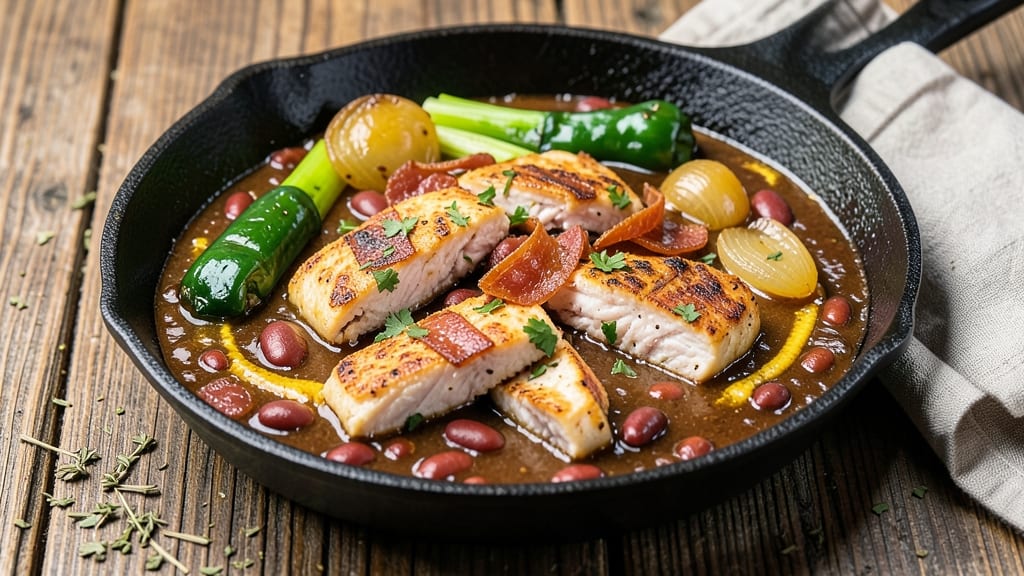
This blue runner red bean gumbo recipe delivers the soul-soothing depth of Louisiana's coastal traditions—where smoky spices, tender seafood, and hearty red beans create a dish that feels like a hug on a plate.
The secret lies in the deep-roasted spices and the Holy Trinity (onion, bell pepper, celery) that build flavor layer by layer, while okra thickens the gumbo naturally without losing its rustic charm.
I perfected this version after years of testing, balancing the delicate sweetness of blue runner fish with the earthy richness of red beans and the subtle bite of andouille sausage.
The foundation of any great gumbo is the roux, and here we take it to a deep mahogany stage—just shy of burning—to develop those nutty, toasty notes that define Louisiana cooking.
What sets this recipe apart is the methodical approach to layering flavors: first the spices, then the seafood, and finally the beans, allowing each component to shine without overpowering the others.
The blue runner, a prized Gulf Coast fish, cooks quickly to maintain its delicate texture, while the red beans absorb the gumbo's complex broth for maximum flavor.
By the time you're ready to serve, you'll have a steaming bowl of gumbo that's rich yet balanced, with tender fish flakes, hearty beans, and a broth so flavorful it deserves its own spoon.
The okra adds a subtle silkiness that rounds out the dish, while the andouille sausage provides a smoky backbone. This isn't just a recipe—it's a celebration of Louisiana's coastal cuisine, where every bite tells a story of tradition and innovation.
Perfect for feeding a crowd or meal prepping for the week, this gumbo freezes beautifully, making it an ideal dish for those who want to taste the Gulf Coast anytime. Let's get started on creating a gumbo that'll have everyone asking for seconds—and thirds.
Ingredients for blue runner red bean gumbo
Sixteen ingredients to create a gumbo so rich it tastes like a Louisiana hug.
| Ingredient | Amount | Notes |
|---|---|---|
| Blue Runner Fish Fillets 🐟 | 1 ½ lb | Fresh or previously frozen, skinless |
| Dried Red Kidney Beans 🌱 | 1 ½ cups | Soaked overnight or quick-soaked |
| Andouille Sausage 🌭 | 1 lb | High-quality, sliced into rounds |
| Yellow Onion 🧅 | 1 whole | Medium, diced (Holy Trinity) |
| Green Bell Pepper 🌶️ | 1 whole | Medium, diced (Holy Trinity) |
| Celery Stalks 🥬 | 3 whole | Medium, diced (Holy Trinity) |
| Fresh Okra 🌿 | 1 lb | Trimmed and sliced into rounds |
| All-Purpose Flour 🌾 | ½ cup | For deep mahogany roux |
| Vegetable Oil 🫒 | ½ cup | For roux (or use bacon fat) |
| Smoked Paprika 🌶️ | 2 tbsp | High-quality for deep flavor |
| Ground Cumin 🌿 | 1 tbsp | Toasted for warmth |
| Dried Thyme 🌿 | 1 tbsp | Or 1 tbsp fresh thyme leaves |
| Garlic Cloves 🧄 | 4 cloves | Minced for roux and Holy Trinity |
| Fish Stock 💧 | 4 cups | Homemade or high-quality store-bought |
| Seafood Seasoning 🧂 | 1 tbsp | Or Old Bay seasoning substitute |
| Cayenne Pepper 🔥 | ½ tsp | Adjust for heat preference |
| Salt 🧂 | 1 ½ tsp | Adjust to taste |
| Black Pepper 🌶️ | ½ tsp | Freshly ground |
| Green Onions 🧅 | ¼ cup | Sliced, for garnish |
| Fresh Parsley 🌿 | ¼ cup | Chopped, for garnish |
The blue runner is the star here—ask your fishmonger for the freshest Gulf Coast catch or use previously frozen fillets. Costco or Whole Foods usually have it, but local seafood markets are your best bet for peak freshness. Soak the red beans overnight (or quick-soak with boiling water) for the best texture. Andouille sausage? Johnsonville or Thrangin are solid choices—just slice it into rounds before cooking. The Holy Trinity (onion, bell pepper, celery) needs to be finely diced—a sharp knife makes this step worth it. For okra, fresh is ideal, but frozen works in a pinch if you're in a hurry.
No smoked paprika? Substitute with a mix of regular paprika and a pinch of liquid smoke. Short on fish stock? Clam juice or shrimp stock works beautifully. The roux is non-negotiable—take it to a deep mahogany color (like peanut butter) for that nutty depth. Don't rush it. If you're worried about burning, lower the heat and stir constantly. For the seafood seasoning, Tony Chachere's is the gold standard, but any blend with Old Bay will do. Andouille too spicy? Remove the casings before slicing to reduce heat.
This gumbo tastes even better the next day—make extra and freeze portions. Store in airtight containers for up to 5 days in the fridge or 3 months in the freezer. The roux can be made ahead and refrigerated for up to 3 days (just reheat gently before adding liquid). For serving, I always garnish with green onions and parsley—fresh herbs make all the difference. Leftovers reheat beautifully—just add a splash of water or stock to loosen the gumbo.
Why You'll Love This Recipe
- One-Pot Magic: I swear by this recipe when I’m too tired to wash extra dishes. The beans simmer right alongside the fish and sausage—no separate pots, no fuss—just one deep, smoky pot that does all the work while you stir in the onions and peppers.
- Smoky-Sweet Balance: That first bite? The andouille’s spice meets the fish’s delicate flakiness, while the kidney beans soak up the roux’s richness. It’s the kind of gumbo where every spoonful feels like a hug—especially when the bell pepper adds just enough bright crunch.
- Weeknight to Weekend: I make this on Tuesdays for lazy dinners, but it’s also my go-to for potlucks or when friends drop by unannounced. The fish stays firm if you time it right, and the beans thicken perfectly—no one will guess it’s not from a restaurant.
- Budget-Friendly Feast: Dried beans and whole fish fillets stretch this recipe into three solid meals. Honestly, the leftovers taste even better the next day—like the flavors married overnight. Plus, you’re not blowing cash on pre-cut veggies or fancy seafood.
Step-by-step instructions for blue runner red bean gumbo
Here's how to build a rich, layered gumbo with deep-roasted flavors and the perfect balance of smoky sausage, tender beans, and delicate seafood.
Prepare the Holy Trinity and Sauté the Sausage
Heat the 0.5 cup vegetable oil in a large Dutch oven over medium heat. Add the sliced 1 lb andouille sausage and cook for 5-6 minutes until browned and slightly crispy. Remove the sausage with a slotted spoon and set aside.
In the same pot, add the diced 1 whole yellow onion, 1 whole green bell pepper, and 3 whole celery stalks (your Holy Trinity). Cook for 8-10 minutes until softened and the vegetables begin to caramelize. This foundational step develops the gumbo's deep, sweet base. Stir occasionally to prevent burning, and keep the heat at medium—you want gentle cooking, not scorching.
Build the Dark Roux
Reduce the heat to low and gradually whisk in the 0.5 cup all-purpose flour to create a smooth paste. Cook for 15-20 minutes, stirring constantly with a wooden spoon, until the roux turns a deep mahogany color. This step is critical—if it burns, start over. The roux should smell nutty and rich, not acrid.
Once the roux reaches the perfect color, immediately add the 2 tbsp smoked paprika, 1 tbsp ground cumin, 1 tbsp dried thyme, 0.5 tsp cayenne pepper, 1.5 tsp salt, and 0.5 tsp black pepper. Stir for 1 minute to toast the spices and infuse them into the roux. This is where the gumbo gets its signature depth of flavor.
Add the Okra and Liquid
Pour in the 4 cups fish stock and scrape up any browned bits from the bottom of the pot. Add the sliced 1 lb fresh okra and bring the mixture to a gentle simmer. Cook for 20 minutes, stirring occasionally, until the okra is tender and the liquid begins to thicken slightly. The okra will help create that signature gumbo texture without the need for a thickener.
Return the cooked sausage to the pot and stir in the 1 tbsp seafood seasoning. Taste and adjust the seasoning—this is your chance to balance the flavors before adding the beans. The gumbo should be rich but not overly salty, with a hint of smokiness from the paprika and cumin.
Cook the Beans and Finish the Gumbo
Add the drained 1.5 cups dried red kidney beans to the pot. Bring the gumbo to a boil, then reduce the heat to low and simmer for 45-50 minutes, stirring occasionally, until the beans are tender. The gumbo should thicken as it simmers, but it shouldn't be gluey—add a splash of water if needed to reach your desired consistency.
While the beans cook, mince the 4 cloves garlic cloves and set aside. Once the beans are tender, stir in the garlic and cook for an additional 5 minutes to infuse the gumbo with its aromatic flavor. The gumbo is now ready for the final touch—the fish.
Add the Fish and Garnish
Gently fold in the 1.5 lb blue runner fish fillets and simmer for 8-10 minutes until the fish is just cooked through—it should flake easily with a fork but still hold its shape. Overcooking will turn the fish into rubber. Remove the gumbo from heat and let it rest for 5 minutes to allow the flavors to meld.
Ladle the gumbo into bowls and garnish with the sliced 0.25 cup green onions and 0.25 cup fresh parsley. Serve immediately with crusty bread to soak up every last bit of that rich, smoky, seafood-infused goodness. This gumbo is all about balance—smoky sausage, earthy beans, tender okra, and delicate fish all coming together in one unforgettable bowl.
Pro Tips For Making Blue Runner Red Bean Gumbo
- SOAK BEANS 8 HOURS: DESCRIPTION: I learned this the hard way—skipping the overnight soak leaves your beans tough as boot leather. Use a 4-quart bowl, cover with water by 2 inches, and let them sit on the counter. No need to boil them first; just drain and rinse before adding to the pot. Trust me, your gumbo’s texture will thank you.
- SWEAT SAUSAGE LOW: DESCRIPTION: Andouille’s fat renders fast, and if you crank the heat, it’ll burn before the onions soften. Keep it at medium-low, stirring every 30 seconds, until the sausage releases its oils and the onions turn translucent. Patience here means no bitter aftertaste later.
- ADD FISH LAST: DESCRIPTION: Blue runner flakes apart in minutes—wait until the gumbo is thick and simmering gently before tossing in the fillets. Two minutes max, or you’ll end up with mushy fish and a sad, watery pot. Use a slotted spoon to lift them out when they’re just opaque.
- CHAR THE PEPPER: DESCRIPTION: Skip this, and your gumbo tastes like it’s missing something. Cut the bell pepper into ½-inch strips, toss them in a dry skillet over high heat, and let them blister for 3-4 minutes until blackened in spots. Toss them into the pot with the onions—the smoky depth makes all the difference.
Pro cooking tips for great blue runner red bean gumbo
Roux Perfection
This gumbo’s soul lies in its deep mahogany roux—the key to that nutty, toasty depth. I recommend using a heavy-bottomed Dutch oven (like All-Clad) to prevent burning while stirring constantly with a wooden spoon.
Watch closely after 15 minutes: the roux should smell like peanuts, not burnt toast. If it darkens too quickly, lower the heat immediately. Pro tip: Add a pinch of sugar (about 1 tsp) to the oil before starting to help prevent scorching. 🌡️
Layering Flavors
Don’t rush the Holy Trinity—cook it until deeply caramelized (about 10 minutes) for that sweet, jammy base. I like to add a splash of dry sherry (about 2 tbsp) after removing the sausage to deglaze and add brightness.
For the beans, I prefer quick-soaking (boil for 2 minutes, then let sit for 1 hour) when short on time, but overnight soaking yields creamier texture. Always taste before adding beans to adjust seasoning—this is your last chance!
Seafood Timing
Blue runner cooks in a flash—just 8-10 minutes after adding to the gumbo. Use a thermometer to check for 145°F internal temp (fish should flake easily but stay moist). I like to add the fish in the last 10 minutes of cooking to keep it tender.
For extra flavor, reserve ¼ cup broth before adding fish, then stir it in at the end to brighten the gumbo. 🐟
Okra Texture Secrets
Fresh okra is ideal, but if using frozen, thaw and pat dry thoroughly to prevent a watery gumbo. Slice into ½-inch rounds—thicker slices stay crisp, while thin ones dissolve beautifully. For extra silkiness, I pulse ½ cup frozen okra in a food processor before adding to the pot.
This trick works especially well if you’re short on fresh okra but still want that signature gumbo body.
Spice Toasting
Toast your spices (smoked paprika, cumin, thyme) in the pot for 30 seconds before adding to the roux to wake up their aromas. I like to use a fine-mesh strainer to sift the spices over the roux for even distribution.
For extra depth, add a bay leaf while simmering the gumbo—remove it before serving. This subtle step elevates the gumbo from good to unforgettable. ✨
Resting Matters
Never skip the 5-minute rest after cooking! This lets the gumbo’s flavors meld and the fish reabsorb juices. I cover the pot loosely with a lid to retain heat.
For serving, I like to reheat gently on the stove if the gumbo has cooled—just add 2-3 tbsp broth and stir until steaming. This prevents a gluey texture and keeps the fish tender. 💫
Nutrition facts
Frequently asked questions
Can I substitute blue runner fish with another type of seafood?
If blue runner is unavailable, try red snapper, mahi-mahi, or firm white fish like cod. For a different texture, use shrimp (add 5 minutes before serving) or scallops (they cook in just 3-4 minutes). Just adjust cooking time—seafood should reach 145°F internally.
How do I prevent my gumbo from becoming too thick or gluey?
Start with 4 cups broth and add more as needed while simmering. If it thickens too much, stir in 2-3 tbsp extra broth or water. For extra insurance, don't overcook the okra—it releases starch that can thicken the gumbo. Always keep the gumbo at a gentle simmer, never a boil.
Can I make this gumbo ahead of time?
Yes! This gumbo tastes even better the next day. Store in an airtight container in the fridge for up to 5 days or freeze for 3 months. Reheat gently on the stove with a splash of broth to restore moisture. The flavors deepen overnight, making it perfect for meal prep.
What's the best way to reheat leftovers?
Reheat on low heat with 2-3 tbsp extra broth or water, stirring constantly to prevent sticking. Never microwave—it can make the gumbo watery and ruin the fish texture. For best results, warm slowly on the stove until steaming.
Can I make this gumbo vegetarian?
You can omit the fish and use extra beans (add ½ cup more) or vegetable broth instead of fish stock. For protein, add smoked tofu or mushrooms. The okra and roux will still give you that classic gumbo texture, though the flavor will be more earthy than seafood-forward.