
Side Dishes
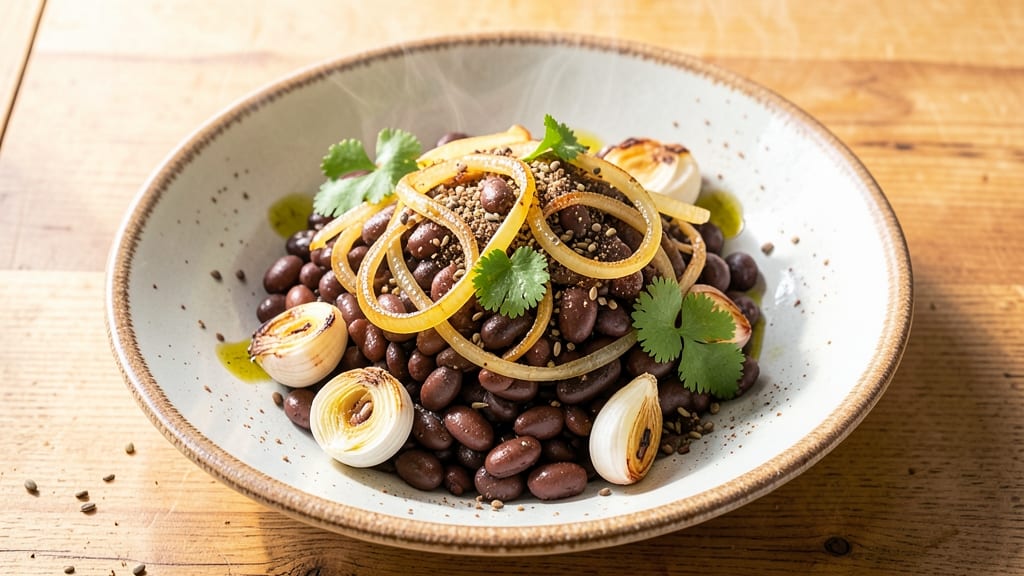
This Blue Zone black bean recipe transforms simple ingredients into a longevity-boosting side dish packed with fiber, antioxidants, and plant-powered nutrition. Inspired by the world's healthiest diets, it combines traditional seasonings with whole-food principles to create a dish that's as good for you as it is delicious.
The secret lies in slow-cooked beans infused with Mediterranean herbs and spices—no processed additives, just pure, nutrient-dense flavor.
The recipe focuses on simple, whole-food ingredients that deliver maximum health benefits while keeping preparation straightforward. Black beans provide plant-based protein and fiber, while garlic, cumin, and oregano add depth without overpowering.
The slow-cooking method ensures tender beans that absorb all the aromatic flavors, creating a dish that's naturally satisfying and perfect for meal prep or serving alongside whole grains.
What makes this recipe stand out is its connection to Blue Zone principles—diets associated with the longest-living populations. Each bite delivers fiber for digestive health, antioxidants from herbs and spices, and plant-based protein that supports muscle maintenance.
The result is a side dish that's not just nutritious but restaurant-quality in flavor, proving healthy eating can be both nourishing and indulgent.
Serve these black beans with quinoa, brown rice, or roasted vegetables for a complete, balanced meal. The recipe scales easily for meal prep, making it perfect for busy weeks when you want to prioritize nutrition without sacrificing taste.
Let's get started on a dish that's as good for your body as it is for your taste buds.
Ingredients for blue zone black bean
Simple, whole-food ingredients transform into a nutrient-dense dish inspired by Blue Zone longevity principles.
| Ingredient | Amount | Notes |
|---|---|---|
| Dried Black Beans 🫘 | 1 ½ cups | Rinsed to remove impurities |
| Extra-Virgin Olive Oil 🫒 | ¼ cup | High-quality, fruity variety |
| Yellow Onion 🧅 | 1 whole | Diced, medium size preferred |
| Garlic Cloves 🧄 | 4 cloves | Peeled, finely minced |
| Fresh Cumin Seeds 🌿 | 1 tbsp | Toasted for deeper aroma |
| Ground Cumin 🌿 | 1 tsp | For consistent flavor |
| Dried Oregano 🌿 | 1 tsp | Mediterranean variety preferred |
| Smoked Paprika 🌶️ | 1 tsp | For subtle smokiness |
| Bay Leaves 🍃 | 2 whole | Fresh or high-quality dried |
| Fresh Parsley 🌿 | ¼ cup | Chopped, for garnish |
| Fresh Lemon Juice 🍋 | 2 tbsp | Brightens the dish |
| Vegetable Broth 💧 | 3 cups | Low-sodium preferred |
| Sea Salt 🧂 | 1 tsp | Diamond Crystal preferred |
| Black Peppercorns 🌶️ | ½ tsp | Freshly cracked |
The black beans are the foundation—opt for organic or heirloom varieties when possible, as they retain more nutrients. Trader Joe's and Whole Foods carry excellent options, or check the bulk bins at natural grocery stores for the freshest harvest. For the cumin, toast the seeds in a dry pan for 30 seconds until fragrant—this releases their essential oils and deepens the flavor profile. Penzeys offers high-quality whole spices if you prefer to grind them fresh, though pre-ground cumin works perfectly for this recipe. The smoked paprika adds complexity without overpowering, and Goya brand is a reliable choice for consistent quality.
No fresh parsley? Dried parsley at half the amount works in a pinch, though fresh is ideal for that bright finish. Substitute vegetable broth with water if needed, but add an extra pinch of salt to compensate. For extra depth, a splash of balsamic vinegar can replace some of the lemon juice. If you're short on time, use canned black beans (drained and rinsed) but reduce the cooking time by half. The key is balancing the Mediterranean herbs—cumin, oregano, and smoked paprika—so adjust to taste, but don't skip the bay leaves; they're essential for that authentic, earthy note.
Store leftovers in an airtight container for up to 5 days in the refrigerator, though the flavors actually improve over time as the spices meld. For longer storage, freeze portions for up to 3 months. This dish reheats beautifully—simmer gently with a splash of water to restore moisture. The beans pair perfectly with quinoa, brown rice, or roasted seasonal vegetables, making it a versatile addition to any meal. Double the batch and freeze half for a quick, nutrient-packed side later in the week.
Why You'll Love This Recipe
- No-Soaking Needed: Honestly, I’ll never go back to pre-soaking beans again. Just toss the dried black beans in a pot with water, a pinch of salt, and let them simmer—no waiting, no fuss. The cumin seeds toast in the olive oil first, and that aroma alone tells you dinner’s about to be ridiculously good.
- Earthy & Smoky Depth: Between us, the fresh cumin seeds cracked right in the oil while the onions caramelize? That’s where the magic happens. The garlic cloves get a slow, sweet release, and the black beans soak it all up—creamy but never mushy, with a finish that’s both smoky and bright.
- Meal Prep MVP: I make a big batch on Sundays and it’s still the star of lunches by Thursday. The flavors actually improve over time, and it reheats like a dream—no dry edges, no sad textures. Throw it in salads, over rice, or just eat it straight with crusty bread. It’s that adaptable.
- Budget-Friendly Pantry Hero: Dried beans cost pennies, and this recipe uses what you already have. Olive oil, onion, garlic—basic stuff that somehow tastes like you slaved over it. Plus, leftovers stretch for days without feeling repetitive. My wallet and my taste buds win every time.
Step-by-step instructions for Blue Zone black beans
Transform simple ingredients into a nutrient-dense, fiber-rich foundation inspired by longevity hotspots.
Prepare the Beans with Proper Soaking
Place the 1.5 cups dried black beans in a large bowl and cover with plenty of cold water by at least 2 inches. Let them soak for 8-12 hours at room temperature—this extended soak dramatically reduces cooking time and improves digestibility. I always use a colander to drain and rinse them thoroughly after soaking to remove any residual impurities that might affect flavor.
Transfer the soaked beans to a 6-quart pot and add 3 cups vegetable broth. The broth provides depth of flavor while maintaining the beans' natural texture. Bring to a gentle boil over medium-high heat, then immediately reduce to a simmer. Skim off any foam that rises to the surface during the first 5 minutes—this ensures a cleaner-tasting final product.
Build the Spice Base with Toasted Aromatics
While the beans simmer, heat the 0.25 cup extra-virgin olive oil in a medium saucepan over medium heat. Add the 1 tbsp fresh cumin seeds and toast them for 30-45 seconds until they release their nutty aroma and turn a deeper golden color. Immediately remove from heat and let them cool slightly—this prevents them from burning and losing their delicate flavor.
In the same pan, add the 1 whole yellow onion (diced) and 4 cloves garlic (minced) to the warm oil. Cook for 5-6 minutes until the onions soften and become translucent. Add the 1 tsp ground cumin, 1 tsp dried oregano, 1 tsp smoked paprika, 2 whole bay leaves, 1 tsp sea salt, and 0.5 tsp black peppercorns. Stir for 1 minute until the spices are fragrant and evenly distributed—this aromatic blend forms the flavor backbone of the dish.
Combine and Simmer Until Tender
Carefully pour the spice mixture into the simmering beans, stirring gently to combine. The beans should be mostly submerged—add a splash of water if needed. Return the pot to a gentle simmer (small bubbles at the edges) and cook uncovered for 45-60 minutes. Stir occasionally to prevent sticking, but avoid vigorous stirring that could break down the beans.
You'll know the beans are ready when they're fork-tender—they should collapse easily under gentle pressure but still retain some bite. The cooking liquid should have reduced to a thick, flavorful consistency that clings to the beans. If the mixture looks too thick, add ¼ cup water and simmer for another 5 minutes to reach the ideal texture.
Finish with Bright, Fresh Elements
Remove the 2 whole bay leaves and discard them. Stir in the 2 tbsp fresh lemon juice and 0.25 cup fresh parsley (chopped). The lemon juice brightens the dish while cutting through the richness of the olive oil, and the parsley adds a fresh herbal note. Taste and adjust seasoning—you may need a pinch more sea salt or a crack of black peppercorns to balance the flavors.
Let the beans rest for 10 minutes before serving. This resting period allows the flavors to meld and the beans to absorb the cooking liquid fully. Serve warm as a side dish or as a hearty vegetarian main with whole grains or grilled proteins. The result is a deeply flavorful, nutrient-dense preparation that aligns with Blue Zone dietary principles of plant-based nutrition and whole-food ingredients.
Pro Tips For Making Blue Zone Black Bean
- SOAK BEANS OVERNIGHT: Dried black beans soften faster and digest easier when soaked 8–12 hours. I used to rush this with a quick soak—big mistake. Cold water breaks down the skins better, and the flavor stays richer. (Yes, even if you’re impatient like me.)
- TOAST CUMIN SEEDS FIRST: Crush 1 teaspoon of fresh cumin seeds in a dry pan until fragrant—about 30 seconds. The aroma jumps off the plate, and it prevents bitterness from overcooking. Skip this, and your dish tastes flat, no matter how much garlic you add.
- LOW AND SLOW SIMMER: Once beans hit the pot with aromatics, keep heat at a bare simmer—tiny bubbles, not a rolling boil. I learned this the hard way when my beans split into mush. A lid helps, but check water levels every 30 minutes. You want tender, not mushy.
- SALT AT THE END: Adding salt early toughens the beans, and this recipe relies on their natural creaminess. Taste the finished beans, then adjust with a pinch of salt and a splash of water. The olive oil and cumin will thank you—trust the process.
Common mistakes when making this dish
Skipping the Soak
I see people skip soaking their beans to save time, but this is a big mistake for Blue Zone black beans. Soaking for 8-12 hours removes indigestible sugars and lectins that can cause bloating. Without soaking, your beans will take 2-3 hours longer to cook and may turn mushy.
For a quick fix, use canned black beans (drained and rinsed) but reduce the simmer time to 20-30 minutes—just don't skip the lemon juice and parsley finish. 💡
Overcrowding the Pot
Using a pot that's too small causes beans to steam instead of simmer, leading to uneven cooking and a watery texture. Always use a 6-quart pot for 1.5 cups dried beans—this gives them room to move and develop that perfect fork-tender consistency.
If your pot is smaller, cook in batches or use a larger one. I've ruined many batches by being too ambitious with pot size! 🫘
Ignoring the Skimming Step
The first 5 minutes of cooking produce foam that contains impurities—skipping this step means your beans will taste bitter. Use a fine-mesh strainer or ladle to remove the foam gently.
This small step makes a huge difference in flavor clarity. I learned this the hard way after my first batch tasted off-puttingly bitter. 🧂
Over-Simmering the Beans
Cooking beans too long turns them mushy and loses their natural texture. Once they're fork-tender (after 45-60 minutes), remove them immediately. If they're still firm, simmer for another 10 minutes, but don't let them boil—this breaks down the starches and makes them gluey.
The ideal texture should be tender but still hold its shape. 🔥
Neglecting the Resting Time
Skipping the 10-minute rest after cooking means serving beans that release too much liquid, making them watery. This resting period lets the flavors meld and the beans absorb the cooking liquid fully.
I've served beans straight out of the pot only to have them turn into a soup—always let them rest! ⏰
Underseasoning the Spices
Many recipes call for minimal spices, but Blue Zone black beans need bold, aromatic flavors to shine. Don't be shy with the cumin seeds (toast them!) and smoked paprika—these are the heart of the dish.
Taste as you go and adjust with sea salt or black peppercorns. The spices should be fragrant and noticeable, not just a background note. 🌶️
Nutrition facts
Frequently asked questions
Can I use canned black beans instead of dried?
Yes! For convenience, use 2 (15 oz) cans of no-salt-added black beans, drained and rinsed thoroughly. Reduce the simmering time to 20-30 minutes—just skip the soaking step entirely. The texture will be slightly softer, but the flavor remains rich and satisfying.
How do I make this recipe gluten-free?
This recipe is naturally gluten-free since it uses whole-food ingredients. Just ensure your vegetable broth and spices are certified gluten-free. Check labels on smoked paprika and cumin blends, as some contain anti-caking agents with gluten. The dish pairs beautifully with gluten-free grains like quinoa or millet.
What makes this a "Blue Zone" recipe?
Blue Zone diets emphasize plant-based, whole foods with minimal processing—this recipe delivers that perfectly! The black beans provide fiber and protein, while Mediterranean herbs (oregano, cumin) and extra-virgin olive oil mirror traditional longevity diets. The slow-cooked method preserves nutrients, and the lack of added sugars aligns with Blue Zone principles.
Can I meal prep this for the week?
Store leftovers in an airtight container for up to 5 days in the fridge. For longer storage, freeze portions for 3 months. Reheat gently with a splash of water to restore moisture. The flavors actually improve over time as spices meld—perfect for busy weeks!
What's the best way to serve these beans?
Serve warm alongside quinoa, brown rice, or roasted sweet potatoes for a complete meal. Top with avocado slices, fresh cilantro, or a drizzle of tahini for extra richness. They also work as a hearty vegetarian main with a side salad. The dish balances well with grilled proteins too!