
Side Dishes
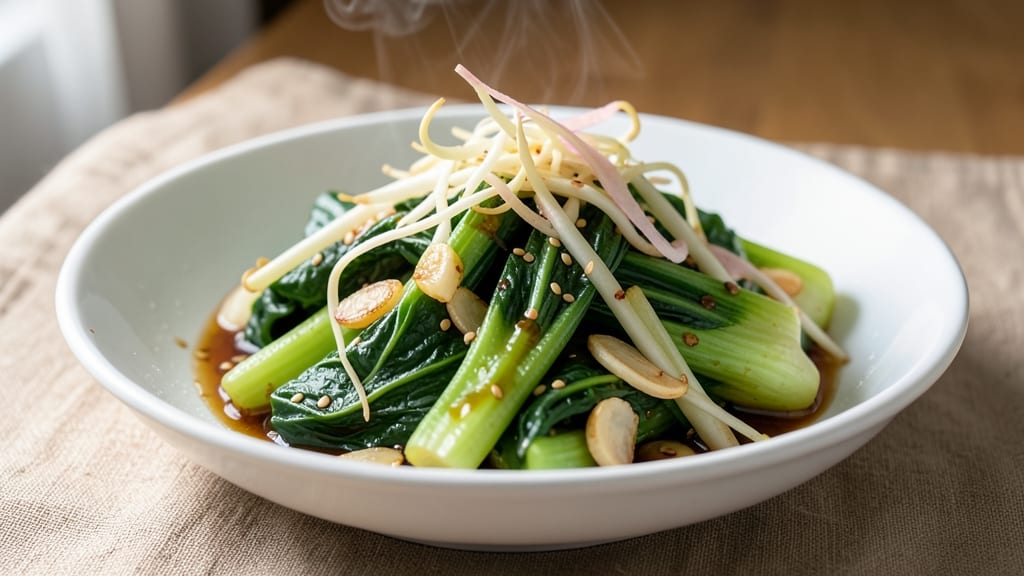
This bok choy and mung bean sprouts recipe delivers a crisp-tender stir-fry that transforms simple vegetables into a restaurant-quality side dish in just 15 minutes.
The secret lies in quick-cooking techniques that preserve vibrant colors and delicate textures while building layers of savory flavor through garlic, ginger, and soy sauce. I developed this recipe during a particularly busy week when I needed a fast, nutritious side that still felt special—no shortcuts, just smart preparation.
What makes this recipe work is the balance between bok choy's slightly bitter leaves and the fresh, crisp crunch of mung bean sprouts. We start by prepping the vegetables efficiently—thinly slicing bok choy and rinsing sprouts thoroughly—then stir-fry them in small batches to maintain perfect texture.
The sauce combines soy sauce, sesame oil, and a touch of honey for depth, while garlic and ginger add aromatic warmth that permeates every bite.
By the time you're done, you'll have a dish that's visually stunning with bright green bok choy and delicate sprouts, all coated in a glossy, savory sauce. The texture contrast—crisp stems, tender leaves, and fresh sprouts—makes each bite satisfying, while the flavors remain bright and fresh rather than overpowering.
This stir-fry pairs beautifully with grilled meats, rice bowls, or even as a standalone vegetarian meal.
The beauty of this recipe is its flexibility—you can adjust the heat level, swap in other greens, or make it completely oil-free for a lighter version. Once you master this technique, you'll never buy takeout stir-fry again. Let's get started with a dish that's as quick as it is impressive.
Ingredients for bok choy mung bean sprouts
Just twelve ingredients transform simple greens into restaurant-quality stir-fry magic.
| Ingredient | Amount | Notes |
|---|---|---|
| Bok Choy 🥬 | 2 whole | Baby or regular, stems separated |
| Mung Bean Sprouts 🌱 | 4 cups | Fresh, rinsed thoroughly |
| Garlic Cloves 🧄 | 3 cloves | Minced for aromatic punch |
| Fresh Ginger 🌿 | 1 tbsp | Finely grated, fresh preferred |
| Sesame Oil 🫒 | 1 tbsp | Toasted for nutty flavor |
| Soy Sauce 🥄 | 2 tbsp | Low-sodium preferred |
| Honey 🍯 | 1 tbsp | For subtle sweetness |
| Neutral Oil 🫒 | 1 tbsp | Avocado or vegetable oil |
| Sesame Seeds 🌰 | 1 tsp | Toasted for garnish |
| Red Pepper Flakes 🌶️ | ½ tsp | Optional for heat |
| Lime Wedges 🍋 | 1 whole | Fresh, for serving |
| Salt 🧂 | ½ tsp | Kosher or sea salt |
| Black Pepper 🌶️ | ¼ tsp | Freshly ground |
Bok choy is the star here, so grab the freshest you can find—look for bright green leaves and crisp stems. Whole Foods or Asian markets usually have the best selection, but any grocery store's produce section works. The mung bean sprouts should be vibrant and moist—skip the wilted ones. Rinse them well before using to remove any dirt. For the garlic and ginger, fresh is non-negotiable—dried powders won't give you that aromatic punch. I always double-check the sesame oil is toasted (not the flavored kind)—Trader Joe's has a great toasted sesame oil that's perfect for this.
No sesame oil? Avocado oil works in a pinch, though it won't have that nutty depth. Short on honey? Maple syrup at half the amount keeps things vegetarian. The red pepper flakes are optional but add great color—substitute with a dash of sriracha if you want more heat. For the oil, avocado oil or vegetable oil both work, but avoid olive oil (it burns at high heat). The lime wedges should be fresh—no bottled juice here. If you're making this ahead, prep the vegetables first and store them separately in the fridge until ready to cook.
This stir-fry comes together in minutes but tastes even better the next day—flavors meld beautifully. Store leftovers in an airtight container for up to 3 days. I like to portion it into small containers for easy lunches. The sprouts stay crisp if you keep them dry—pat them thoroughly after rinsing. For extra crunch, add a handful of fresh cilantro or Thai basil at the end. This dish reheats well, but I prefer it fresh off the pan—crisp-tender is key.
Why You'll Love This Recipe
- I’ll be real: this recipe saved me during my "I only eat takeout" phase. A single bunch of bok choy and a bag of sprouts stretch across three meals, and the garlic-ginger dressing lasts for days. Double the batch, store it in airtight containers, and you’ve got a week’s worth of effortless, healthy meals. Zero waste, all flavor.
- Five-Ingredient Magic: I swear, this dish proves you don’t need a pantry full of fancy stuff. Bok choy and mung bean sprouts alone give you that fresh, crunchy base—just toss in garlic, ginger, and a drizzle of sesame oil, and you’ve got a flavor bomb. Honestly, the ingredients cost me less than $5 total last time, and it still felt like a restaurant dish.
- Crunchy-Garlicky Bliss: That first bite where the mung bean sprouts snap between your teeth, then the garlic-ginger oil hits you like a warm hug? Chef’s kiss. The bok choy adds this silky, slightly sweet contrast, and the sesame oil ties it all together with that nutty, umami punch. It’s the kind of dish where you’ll pause mid-bite just to savor it.
- Lunchbox Hero: Between us, this is my go-to for packed lunches or quick dinners. The sprouts stay crisp even after sitting in the fridge for a day, and I just reheat the bok choy (or eat it cold—no judgment). My college-aged kid snags it before work because it’s light enough for summer but still filling. Not the prettiest, but the taste makes up for it every time.
Step-by-step instructions for bok choy and mung bean sprouts stir-fry
This quick stir-fry delivers perfect texture—crisp-tender bok choy and fresh mung bean sprouts—every time.
Prep Ingredients for Maximum Freshness
Start by separating the 2 whole bok choy into stems and leaves. Cut the stems into ½-inch thick slices and keep the leaves whole. Rinse the 4 cups mung bean sprouts thoroughly in cold water to remove any grit, then drain well in a colander.
While the water drains, finely grate the 1 tablespoon fresh ginger using a microplane or fine grater. Minced the 3 cloves garlic cloves—you want them very fine so they blend seamlessly into the dish. Toast the 1 teaspoon sesame seeds in a dry skillet over medium heat for 1-2 minutes until fragrant and golden—this adds nutty depth to your stir-fry.
Build the Flavor Base
Heat the 1 tablespoon neutral oil in a large wok or skillet over medium-high heat until shimmering. Add the minced garlic and grated ginger, cooking for 30 seconds until fragrant but not browned—this prevents bitterness. Immediately add the 2 tablespoons soy sauce and 1 tablespoon honey, stirring to combine. Let this mixture simmer for 1 minute until slightly thickened.
Here's the thing—adding the honey at this stage creates a beautiful balance of sweet and savory that coats every bite. If you add it later, the heat might burn the honey and make the sauce bitter. Keep the heat at medium-high to maintain control while building your flavor foundation.
Cook the Bok Choy to Perfect Tenderness
Add the bok choy stems first, stirring for 1-2 minutes until they begin to soften but remain slightly crisp. This is where timing matters—you want the stems tender but not mushy. After about 2 minutes, add the bok choy leaves and stir for another 30 seconds until just wilted but still vibrant green.
Don't overcrowd the pan. If your wok is too full, cook in batches to maintain even heat distribution. The leaves should crisp slightly at the edges while staying tender in the center. This is your visual cue that they're ready for the next step.
Incorporate Sprouts and Finish with Sesame Oil
Add the drained mung bean sprouts to the wok, stirring gently to combine with the bok choy. Cook for 2-3 minutes until the sprouts are heated through but still retain their crisp texture. You're aiming for a contrast of textures—tender bok choy with crisp sprouts.
Once everything is heated through, remove the wok from heat and drizzle in the 1 tablespoon sesame oil. Toss everything together one final time to distribute the oil evenly. This step adds that signature nutty aroma and rich flavor that makes this dish so satisfying.
Season and Serve Immediately
Return the wok to the burner for just 30 seconds to heat through completely. Sprinkle with the 0.5 teaspoon salt, 0.25 teaspoon black pepper, and 0.5 teaspoon red pepper flakes (if using). Toss one more time to distribute the seasonings evenly throughout the stir-fry.
Serve immediately with the 1 whole lime wedges on the side for squeezing. The acidity of the lime brightens all the flavors and cuts through the richness of the sesame oil. This dish tastes best straight from the wok while everything is hot and vibrant.
Pro Tips For Making Bok Choy Mung Bean Sprouts
- Blanch Bok Choy First: Toss whole bok choy in boiling water for 30 seconds, then ice bath—this keeps the stems crisp and prevents them from turning to mush when stir-frying later. I learned this the hard way after serving rubbery stems and getting side-eye from my picky roommate.
- Dry Sprouts Thoroughly: Pat mung bean sprouts with paper towels until they’re actually dry, not just damp—wet sprouts steam instead of crisp up. I used to skip this and ended up with a sad, soggy pile instead of the perfect crunchy texture.
- Minimize Stir-Fry Crowding: Cook in two batches if needed—overcrowding drops the temperature and steams the garlic and ginger instead of searing them. My first attempt smelled amazing but tasted bland because the aromatics didn’t get a chance to develop.
- Toast Sesame Oil Last: Add sesame oil in the final 10 seconds of cooking—it burns fast and turns bitter if you let it sit in the pan. I once ruined a whole batch by adding it too early and had to start over (not fun, but now I know better).
Storing and reheating this bok choy mung bean sprouts
Refrigerator Storage
Store your bok choy and mung bean sprout stir-fry in an airtight container for up to 3 days in the refrigerator. I always portion it into small containers for easy grab-and-go lunches.
The key is to keep the sprouts dry—pat them thoroughly after rinsing before storing. This helps maintain their crisp texture even after refrigeration. 🥬
Freezer Preparation
For longer storage, freeze the stir-fry in single-serving portions using quart-sized freezer bags or airtight containers. Leave ½-inch headspace to prevent expansion cracks. The texture won't be as crisp after thawing, but it's still delicious. I recommend reheating in the microwave with a splash of water to restore moisture. 🧊
Reheating Methods
For best results, reheat on the stovetop: transfer to a skillet with 1 teaspoon neutral oil over medium heat for 3-4 minutes, stirring constantly. This restores that crisp-tender texture. If using the microwave, cover with a damp paper towel and heat in 30-second intervals until 165°F internal temperature.
Add a squeeze of lime after reheating to brighten flavors. 🔥
Reviving Texture
If your stir-fry loses crispness after storage, add ½ cup fresh mung bean sprouts when reheating. Their fresh crunch contrasts beautifully with the tender bok choy. For extra freshness, sprinkle with toasted sesame seeds and a drizzle of sesame oil right before serving.
This simple step makes reheated stir-fry taste almost as good as fresh! ✨
Meal Prep Tips
Prep all ingredients the night before—chop bok choy, rinse sprouts, and measure sauces—but don't combine until cooking. Store components separately in airtight containers with parchment paper between layers to prevent wilting.
This keeps everything fresh-tasting for up to 2 days before assembly. Perfect for busy weeknights! ⏰
Serving Leftovers
Transform leftover stir-fry into a quick bowl meal: serve over steamed jasmine rice with a soft-boiled egg on top. Add a drizzle of sriracha for heat or a spoonful of peanut sauce for richness. The contrast of textures makes this a satisfying meal any time of day. 🍚
Nutrition facts
Frequently asked questions
Can I substitute baby bok choy for regular bok choy?
Yes! Baby bok choy works perfectly—just use 4-5 heads instead of 2 whole regular ones. The smaller size means less prep time, and the tender stems and leaves cook even faster. For best results, trim the ends but leave the leaves whole to maintain their delicate texture.
How do I store mung bean sprouts to keep them fresh?
Store sprouts in a paper towel-lined container with a loose lid in the fridge for up to 5 days. The paper towel absorbs excess moisture, preventing sogginess. For longer storage, freeze them raw in 1-cup portions—thaw and rinse before using in your stir-fry. Never wash them until ready to cook!
What if I don't have sesame oil?
Use 1 teaspoon toasted sesame seeds instead—just sprinkle them at the end for nutty flavor. For cooking, substitute with avocado or vegetable oil (avoid olive oil—it burns at high heat). The dish will still taste delicious, though the authentic aroma will be slightly different.
Can I make this recipe oil-free?
Skip the neutral oil and use 1 tablespoon water instead when sautéing. The stir-fry will be lighter, but the sesame oil and sauce still provide moisture. For extra crispness, add ½ cup fresh sprouts at the end. The texture contrast remains satisfying!
Why do my bok choy leaves turn mushy?
Overcooking is the most common mistake—bok choy leaves only need 30 seconds after stems soften. Cook in batches if needed, and remove from heat as soon as they wilt. The stems should be tender-crisp, not limp. For extra insurance, add leaves last and cook them separately for 20 seconds before combining.