
Main Courses
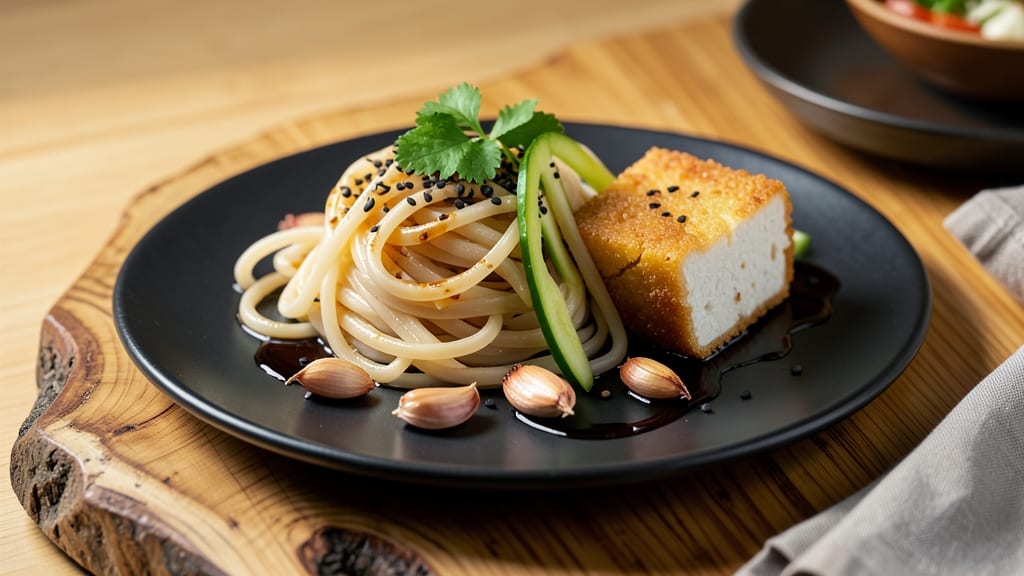
Bean curd noodles deliver the perfect balance of silky chewiness and deep umami flavor—transforming simple tofu into a restaurant-worthy dish. This recipe unlocks the secret to achieving that signature texture at home, where a few key techniques make all the difference. Whether you're exploring traditional Chinese flavors or modern fusion twists, the result is a satisfying, protein-rich meal that feels both elegant and approachable.
The foundation of these noodles lies in proper preparation: pressing and slicing the tofu to create strands that hold their shape while absorbing flavors beautifully. A light stir-fry in a hot wok or skillet ensures they develop that coveted chewy exterior without drying out.
The sauce—where umami truly shines—combines soy, sesame, and a touch of sweetness to complement the tofu's natural mildness.
What you'll end up with is a dish that's rich in texture and flavor, with strands that glisten under a glossy sauce and maintain their integrity even after tossing.
The umami depth comes from fermented ingredients like soy sauce and miso, while aromatics like garlic and ginger add layers of warmth. This recipe serves as a versatile base—elevate it with fresh herbs, chili oil, or a sprinkle of sesame seeds for extra dimension.
Perfect for weeknight dinners or meal prep, these noodles pair well with steamed greens, pickled vegetables, or a side of rice. The technique is straightforward, but the results are undeniably impressive—ideal for anyone looking to explore plant-based cooking without sacrificing depth of flavor.
Ingredients for bean curd noodles
Extra-firm tofu and fermented umami ingredients transform into restaurant-quality bean curd noodles with perfect chewiness.
| Ingredient | Amount | Notes |
|---|---|---|
| Extra-Firm Tofu 🍲 | 14 oz | Pressed to remove excess water |
| Kosher Salt 🧂 | 1 ½ tbsp | Diamond Crystal preferred for texture |
| White Rice Flour 🌾 | ½ cup | For dusting and binding |
| Vegetable Oil 🫒 | ¼ cup | High smoke point for frying |
| Garlic Cloves 🧄 | 4 cloves | Minced for aromatic base |
| Fresh Ginger 🌿 | 1 tbsp | Grated, for umami warmth |
| Tamari or Soy Sauce 🍶 | ½ cup | Gluten-free tamari preferred |
| Sesame Oil 🫒 | 1 tbsp | Toasted for nutty depth |
| White Miso Paste 🧈 | 1 tbsp | Fermented umami booster |
| Maple Syrup 🍯 | 1 tbsp | For subtle sweetness balance |
| Sesame Seeds 🌰 | 1 tbsp | Toasted for garnish |
| Green Onions 🧅 | 3 whole | Thinly sliced for freshness |
| Red Chili Flakes 🌶️ | ½ tsp | Adjust for heat preference |
| Lime Wedges 🍋 | 2 whole | Freshly squeezed for brightness |
The tofu is non-negotiable—extra-firm holds shape best during pressing. Asian markets often carry higher-quality blocks, but most grocery stores stock it too. Look for blocks with minimal water absorption (under 14 oz per package). Pressing removes excess moisture, which is critical for achieving that signature chewy texture. I use a tofu press or heavy books for even pressure. For the rice flour, Bob's Red Mill is a reliable brand, but any fine white rice flour will work. The vegetable oil should have a high smoke point—avocado or refined sunflower oil are excellent choices if you want to avoid neutral flavors.
No tamari? Regular soy sauce works, though it may have a slightly stronger flavor. The miso paste adds incredible depth—white miso is milder than red, so it won't overpower the delicate tofu texture. If you can't find toasted sesame oil, regular sesame oil will still add flavor, but toast it lightly in a dry pan first for better aroma. For the garlic and ginger, fresh is essential—dried powders lack the complexity needed for this dish. If you're short on time, pre-minced garlic from a jar works, but it won't have the same punch. The maple syrup balances the umami—agave or coconut sugar are good substitutes if you prefer.
Pressed tofu keeps for 3-4 days in the fridge, wrapped tightly in a towel. The sauce components (except lime) can be prepped ahead and stored for up to 1 week. For meal prep, cook the noodles fresh—they're best enjoyed immediately after stir-frying, but you can reheat them gently in a dry skillet for 2-3 minutes. The lime wedges should be added fresh at serving time to preserve their brightness. If you're making this for a crowd, double the sauce ingredients and keep them warm in a slow cooker on low heat.
Why You'll Love This Recipe
- No-Fuss Noodles: I swear by this recipe when I’m too tired to measure or knead—just mash tofu, mix with rice flour, and stretch. The dough comes together faster than takeout, and honestly? It’s the kind of hands-off magic that makes me believe in shortcuts.
- Garlic Kiss: That first bite of crispy-fried noodles with garlic sizzling in the oil? Chef’s kiss. The tofu’s natural umami pairs perfectly with the sharp, toasty garlic—no fancy marinades needed. It’s the kind of flavor that lingers without trying too hard.
- Meal Prep MVP: Between us, this is my go-to for busy weeks. The dough keeps in the fridge for days, and fried noodles reheat like a dream. Pack them for lunch, toss them into stir-fries, or just eat them straight—no judgment here.
- Budget Crunch: Extra-firm tofu and rice flour are cheap staples that stretch into a full meal. I’ve fed four people for under $10 with this, and the leftovers? Just as good cold the next day. Practical, filling, and kind to my wallet.
Step-by-step instructions for bean curd noodles
Transforming tofu into silky, chewy noodles requires precision and patience—here's how to achieve restaurant-quality texture.
Press and Prepare the Extra-Firm Tofu
Begin by pressing the 14 oz extra-firm tofu for 20-30 minutes between two layers of paper towels, placing a heavy object on top. This removes excess moisture, which is critical for achieving the proper chewy texture. I like to flip the tofu halfway through to ensure even pressing—this prevents any one side from becoming overly dry while the other remains damp.
Once pressed, slice the tofu into ¼-inch thick sheets using a sharp chef's knife. You should end up with about 8-10 slices, depending on the tofu's thickness. The slices should be uniform in size for even cooking. If you notice any particularly thick sections, gently press them down with your palm before slicing further—this ensures all pieces cook at the same rate and develop that signature chewy consistency.
Create the Flour Coating and Fry the Noodles
In a shallow bowl, combine the 0.5 cup white rice flour with 1.5 tbsp kosher salt. Lightly dust each tofu slice with this mixture, pressing gently to ensure even adherence. The flour acts as a binding agent that helps the tofu hold its shape during frying while adding a subtle crispness to the final texture. I find it helpful to work in batches to avoid overcrowding the bowl, which can make the flour clump.
Heat 0.25 cup vegetable oil in a large skillet over medium-high heat until it shimmers—this should take about 3-4 minutes. Add the floured tofu slices and fry for 2-3 minutes per side until they turn a pale golden color. You'll know they're ready when they release easily from the pan and develop a slight crispness at the edges. Remove the fried tofu and set it aside on a wire rack to drain excess oil. This step is where the magic happens—the high heat transforms the tofu into delicate, noodle-like strands.
Build the Umami-Packed Sauce
In the same skillet, reduce the heat to medium and add 4 minced garlic cloves and 1 tbsp grated fresh ginger. Sauté for 1-2 minutes until the garlic becomes fragrant and just begins to turn golden—this prevents it from burning and ensures a balanced flavor. Add 0.5 cup tamari or soy sauce, 1 tbsp white miso paste, and 1 tbsp maple syrup, stirring constantly to combine. Let the mixture simmer for 3-4 minutes until it thickens slightly and coats the back of a spoon.
Remove the skillet from heat and stir in 1 tbsp sesame oil. The sauce should now have a glossy sheen and a rich, complex aroma. Here's the thing—this sauce is the soul of your bean curd noodles. The tamari provides deep umami, the miso adds fermented depth, and the maple syrup balances with a touch of sweetness. Taste and adjust seasoning if needed, adding a pinch more salt or a splash of water to achieve the perfect consistency—it should coat the back of a spoon but still be pourable.
Assemble and Finish the Noodles
Return the fried tofu noodles to the skillet with the sauce and toss gently to coat evenly. Cook for an additional 1-2 minutes until the noodles absorb the sauce and become tender. The tofu should now have a silky, chewy texture with a glossy finish—this is the hallmark of well-made bean curd noodles. If the sauce appears too thick, add a splash of hot water to loosen it slightly.
Transfer the noodles to serving plates and garnish with 1 tbsp toasted sesame seeds, 3 thinly sliced green onions, and 0.5 tsp red chili flakes. Finish with a squeeze of 2 lime wedges to brighten the dish and cut through the richness. Serve immediately while the noodles are still warm and the sauce is silky. The contrast of textures—chewy noodles, crisp garnishes, and glossy sauce—makes this dish truly special.
Pro Tips For Making Bean Curd Noodles
- PRESS TOFU DRY: Wrap the extra-firm tofu in a clean kitchen towel and press it under a heavy pan or cast iron for 20 minutes before slicing. This removes excess moisture—no soggy noodles here, and the texture stays firm when fried.
- REST THE DOUGH: Let the rice flour batter sit covered for 15 minutes after mixing. I used to skip this, and the noodles would tear when stretching—now they hold shape like a dream.
- HIGH HEAT ONLY: Use a wok or skillet at maximum heat when frying the noodles. If the oil isn’t shimmering, the outside burns before the inside cooks—aim for a crispy, golden finish in 30 seconds flat.
- MINCE GARLIC FINE: Pulse garlic cloves in a food processor for 5 seconds—no chopping needed. This ensures even distribution in the sauce and prevents any lingering raw garlic bits that ruin the dish.
Perfect pairings for these flavors
Traditional Chinese Sides
Pair your bean curd noodles with classic Chinese accompaniments to create a balanced meal. Steamed bok choy with a sprinkle of light soy sauce adds freshness and texture contrast. I often serve it alongside the noodles to cut through the richness.
For a heartier option, stir-fried gai lan (Chinese broccoli) with garlic and chili oil enhances the umami profile beautifully. Both sides complement the noodles' chewy texture while keeping the dish light. 🥬
Fresh Vegetable Garnishes
Brighten your plate with vibrant vegetables that add color and crunch. Thinly sliced cucumber tossed with a pinch of salt and rice vinegar creates a refreshing topping. I also love adding shredded carrots for natural sweetness that balances the savory noodles.
These garnishes not only elevate the presentation but also introduce fresh, crisp elements that contrast with the silky tofu. 🥒
Umami Boosters
For an extra layer of depth, serve your noodles with pickled vegetables like quick-pickled radishes or kimchi. The tangy, fermented flavors amplify the umami in the sauce, creating a harmonious balance.
I keep a small bowl of pickled mustard greens on the side—just a few spoonfuls add a bright, sour note that makes the dish sing. These sides are especially great for those who love bold, complex flavors. 🌱
Protein Pairings
While bean curd noodles are vegan, you can easily add protein for a more filling meal. Crispy tofu cubes fried in the same oil as the noodles add a satisfying crunch and extra texture.
For a non-vegan option, grilled shrimp or seared scallops pair beautifully with the dish's umami richness. I often serve these proteins on the side so guests can customize their plates. 🍤
Beverage Pairings
Jasmine tea is the classic choice for balancing the dish's savory notes, but don't be afraid to experiment. A lightly effervescent Chinese green tea like Dragon Well complements the noodles' delicate texture. For something more refreshing, try a cucumber-lime spritzer—the citrus and mint notes cut through the richness.
I also enjoy a dry Riesling for its crisp acidity, which cleanses the palate between bites. 🍶
Nutrition facts
Frequently asked questions
Can I use regular firm tofu instead of extra-firm?
Regular firm tofu will work, but the texture won't be as satisfying. Extra-firm holds its shape better during pressing and frying, creating that signature chewy consistency. For best results, stick with extra-firm tofu—it's worth the small difference in price for the restaurant-quality texture. If you're in a pinch, press the firm tofu for 45-60 minutes to remove extra moisture.
How do I prevent the tofu noodles from falling apart? Proper pressing and even slicing are key!
Can I make this recipe gluten-free?
Yes, with a few simple swaps! Use tamari (gluten-free soy sauce) instead of regular soy sauce, and ensure your rice flour is certified gluten-free. The miso paste should also be gluten-free—white miso is typically safe, but always check the label. For extra insurance, you can even make your own tofu noodles using cornstarch instead of rice flour, though the texture will be slightly different.
What's the best way to store leftovers?
Store leftovers in an airtight container in the fridge for up to 3 days. The noodles are best enjoyed fresh, but you can reheat them gently in a dry skillet over low heat for 2-3 minutes, adding a splash of water to prevent drying. Avoid microwaving—they tend to become rubbery. For longer storage, freeze the cooked noodles (without sauce) for up to 1 month, then reheat in the skillet with fresh sauce.
How can I make these noodles spicier?
Start by increasing the red chili flakes to 1-2 teaspoons and adjust to taste. For extra heat, add a dash of Sichuan chili bean paste or gochujang to the sauce. You can also serve the noodles with chili oil on the side for customizable spice levels. If you love heat, try adding fresh chili slices or a sprinkle of cayenne pepper to the sauce before tossing with the noodles.